
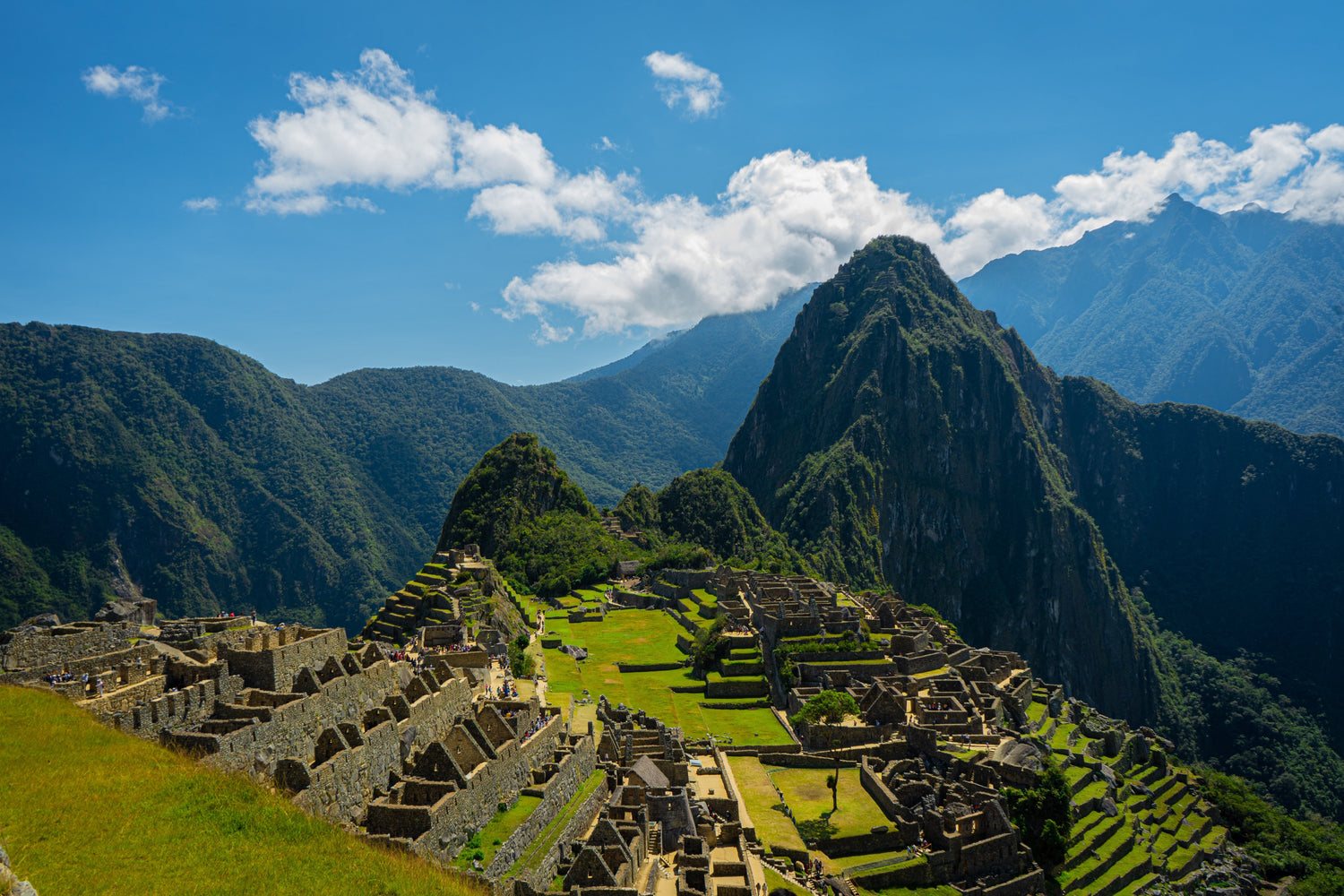
Your Guide to Seasons, Microclimates, and the Best Time to Visit Peru
Peru is not a one-season destination. It is a country of distinct worlds: high Andes cities with crisp nights, Amazon rainforest with humid, wildlife-rich waterways, and a Pacific coast where Lima’s famous winter fog can be a feature, not a flaw. At Osaviva, we plan Peru journeys by matching the region to the month, so your trip is not just “nice weather” but the right conditions for the experiences you want most, whether that is clear-day Machu Picchu views, Amazon wildlife cruising, beach time in the north, or festivals that only happen once a year.
Peru's diverse regions mean the best time to visit Peru depends on your priorities, whether chasing clear Machu Picchu views in the dry season (May–October), lush Amazon wildlife during high water, or shoulder-month value (April/May, September/October) for balanced weather and fewer crowds.
This guide walks through Peru month by month with seasonal patterns, wildlife moments, regional microclimates, and cultural highlights, plus a few food and harvest notes worth building into a tailor-made itinerary.
Peru at a Glance: What Seasons Mean Here
Peru does not have one weather calendar. The Andes, Amazon, and coast all behave differently, even in the same month.
Andes (Cusco, Sacred Valley, Lake Titicaca): Typically driest from roughly May to October, with cooler nights. Wetter months tend to be November to April, with greener landscapes and more cloud cover.
Amazon (Tambopata, Iquitos, Manu region edges): Warm and humid year-round. River levels usually rise in the wetter season and drop in the drier season, changing what you can see and how you move.

Coast (Lima, Paracas, northern beaches): Lima’s summer is warm and sunnier, while winter brings the famous garúa fog. Northern Peru stays warmer overall and can be a great beach add-on in the right months.
Peru by Month: At a Glance
| Month | Where conditions tend to be strongest | Best Time To Visit For | Wildlife, Festival & Seasonal Highlights | Vibe Check |
|---|---|---|---|---|
| January | Coast, northern beaches | Food, city stays, beach add-ons | High water in the Amazon boosts boat access; Andes are in wetter season | Warm coast, green highlands |
| February | Coast, Amazon boat travel | Culture in cities, Amazon with flexible touring | Carnival energy in many regions; Andes rains can be strongest | Festive, humid, lush |
| March | Coast, Amazon, shoulder Andes | Value travel with fewer crowds | Transition month in the Andes; Amazon remains active | Shifting seasons, quieter |
| April | Cusco & Sacred Valley begin improving | Early dry-season planning | Shoulder season for Machu Picchu with greener scenery | Fresh, brightening |
| May | Andes, Sacred Valley, Titicaca |
One of the best times to visit Peru for Classic Inca route travel |
Drier weather returns; strong visibility in the mountains | Crisp nights, clear days |
| June | Andes at their best | Trekking, ruins, lake journeys | Inti Raymi season in Cusco; peak travel month begins | Iconic, high demand |
| July | Andes, Lake Titicaca | Dry-season trips and hikes | Fiestas Patrias (national celebrations) late month; excellent highland conditions | Bright skies, busy |
| August | Andes, Sacred Valley | Peak trekking season | Strong conditions for multi-day routes; dry landscapes and wide horizons | Peak season energy |
| September | Andes, Amazon (lower water begins) | Balanced weather and fewer crowds | Early shoulder shift; excellent for mixed-region itineraries | Easy, well-rounded |
| October | Andes shoulder season, Amazon | Comfortable travel with flexibility | Lower Amazon water can improve land-based wildlife walks; Andes begin transitioning | Warm days, softer crowds |
| November | Amazon, coast | Rainforest focus | Rainy season begins returning to the Andes; Amazon remains rich and green | Lush, moody, local |
| December | Coast, Amazon | Holiday travel, cuisine, jungle lodges | Andes rains increase; coast feels summery; festive season in cities | Warm coast, green interior |
Expert insight: Peru’s weather is highly regional. The Andes generally align with a drier season from roughly May to October and a wetter season from roughly November to April. The Amazon’s river levels shift seasonally, which changes wildlife viewing style rather than making the region “off limits.”
 Microclimates in Peru: Why Your Route Matters
- Cusco + Sacred Valley: Higher elevation means cooler nights year-round. Dry-season months often bring crisp mornings and clear mountain views.
- Machu Picchu cloud forest zone: More humid than Cusco and prone to mist. Even in dry season, early mornings can be cloudy, which is part of the atmosphere.
- Lake Titicaca (Puno region): High, bright, and cool. Days can feel sunny and warm, but nights drop quickly.
- Lima + central coast: Summer is clearer and warmer. Winter brings garúa, a soft fog that creates a moody coastal aesthetic.
- Northern beaches (Máncora, Tumbes area): Warmer beach climate overall and often the best “sun guarantee” when Lima is grey.
- Amazon (Tambopata, Iquitos): Warm and humid year-round. High-water months favor boat exploration; lower-water months can favor longer forest walks and exposed riverbanks.
Month-by-Month Breakdown
January: Coast Comfort and Amazon Waterways
January is a strong month for Peru’s coast, especially if you want Lima dining, Paracas desert-meets-ocean landscapes, or a northern beach extension. In the Amazon, higher river levels can make boat travel feel effortless and open up areas that are harder to reach at lower water.
Wildlife note: In rainforest regions, high water can mean more canoe-style exploration and a different style of wildlife viewing, with monkeys and birds often spotted from the river edges.

February: Festival Energy and Lush Landscapes
February brings peak green-season mood in the Andes, with rain more likely and trails sometimes affected. It can still work beautifully for travelers who prioritize culture, markets, and food over trekking. Many regions lean into Carnival celebrations with music, dance, and playful street traditions.
Osaviva tip: If Machu Picchu is a must in February, we plan with extra buffer time and choose routing that keeps the trip smooth even if weather causes delays.
March: Shoulder Season Begins to Emerge
March can be a smart compromise month. The Andes are still transitioning, but conditions often begin improving. The coast remains easy, and the Amazon stays vibrant. This is a good time for travelers who want Peru’s highlights without peak dry-season crowds.
April: Fresh Green Meets Better Visibility
April in Peru often brings a noticeable shift in the Andes. The landscape still looks lush from the rains, but the chances of clearer days increase. It is a great month for Sacred Valley stays that blend ruins, cooking experiences, and gentle hikes.
Seasonal note: This is when many travelers start to feel that “best of both worlds” balance in the highlands.
May: Dry Season Arrives in the Andes
May is one of the best months to visit Peru (and best time to visit Machu Picchu) for the classic Cusco, Sacred Valley, Machu Picchu route. Days tend to be bright, nights cool, and mountain visibility strong. It is also an excellent month to add Lake Titicaca for high-altitude light and wide-open views.
June: Peak Highlands and Inti Raymi Season
June is a headline month in Peru. Dry-season conditions are in full swing, making it ideal for trekking and longer highland routes. Cusco’s Inti Raymi celebrations create a cultural focal point with pageantry and heritage tied to the Inca calendar.
Wildlife note: Condor viewing regions can be strong in dry, clear conditions, especially when paired with early departures and the right guiding.

July: Dry Skies and National Celebration Season
July continues the highland dry-season sweet spot. It is one of the busiest travel months, with families and peak-season energy. Late July brings Fiestas Patrias (Peru’s Independence celebrations), adding parades, food, and a festive atmosphere in cities and towns.
June to August are peak dry-season months, and offer the most reliable conditions for trekking, with June's Inti Raymi as a cultural highlight. Ideal months to visit if you prioritize best time for Machu Picchu views.
August: Trekking Prime Time
August is made for hikers. Conditions are typically dry and clear, and multi-day routes feel most reliable. The tradeoff is popularity, so the best guides, trains, and lodges book early.
Osaviva tip: For travelers who want the magic without the congestion, we design alternative hiking days in the Sacred Valley and choose timing that dodges the busiest hours at key sites.
September: A Balanced Month for Mixed-Region Trips
September is a favorite for combining regions. The Andes are still strong, crowds begin to soften, and the Amazon can start shifting toward lower water. It is an excellent month for travelers who want Peru’s variety, ruins, rainforest, and coast, in one well-paced itinerary.
Shoulder months like April, September, and October provide a sweet balance, and are often called the best time to visit Peru for fewer crowds, greener landscapes, and comfortable weather across regions.
October: Shoulder Season Smoothness
October often feels comfortable in multiple regions. The Andes are starting to transition later in the month, and the Amazon’s lower water can make certain forest walks and clay licks more accessible depending on location.
Wildlife note: In parts of the Amazon, lower water can concentrate wildlife along riverbanks and make some viewing moments feel more frequent.
November: Rain Returns to the Highlands
November signals the return of wetter conditions in the Andes, while the Amazon remains a strong focus for travelers who want rainforest immersion. The coast continues to be an easy add-on, especially if you want cuisine and culture in Lima.
November shines for rainforest immersion. It's the best time to visit the Peruvian Amazon for lush, moody vibes before full wet season.
December: Coastal Summer and Holiday Atmosphere
December is a great month for Peru’s coast and an excellent time for city stays centered on food, art, and markets. The Andes are greener and wetter again, but the right itinerary can still include highlights with a flexible approach and comfortable pacing.
Seasonal note: December is also a natural month to build in celebratory experiences, from special meals to boutique lodge stays that feel festive without feeling crowded.
 Seasonal Food, Farming, and Harvest Notes Worth Planning Around
- Andean harvest rhythms: Many highland communities follow agricultural calendars tied to the rainy season and dry season. Shoulder season travel can feel especially connected to rural life.
- Coffee regions: Peru’s coffee-growing areas vary by region, and harvest timing can shift, but coffee-focused experiences are often best planned with local guidance and flexible expectations.
- Coastal seafood seasons: Peru’s dining scene is year-round, but coastal conditions and fishing cycles can influence what is at its absolute best on the menu.
Best Time to Visit Peru by Travel Style
- Machu Picchu and classic Andes routing: May to September for drier conditions and clearer visibility. It's the best time to visit Machu Picchu for most travelers.
- Trekking and high-altitude hikes: June to August for peak reliability, with May and September as strong alternatives.
- Amazon wildlife and rainforest travel: Year-round, with high water favoring boat exploration and lower water often favoring longer forest walks. June to September is the best time to visit Peru Amazon for trails and concentrated sightings.
- Culture and festivals: June for Inti Raymi season, late July for Fiestas Patrias, and February for Carnival energy in many regions.
- Food and city travel: Year-round, with coastal summer months feeling especially bright and beach-friendly.
Shoulder seasons (April/May, September/October) offer great value as the best time to go to Peru for balanced crowds and weather.
 What to Pack (No Matter When)
- Light layers for the Andes (days can be sunny, nights can be cold)
- A rain jacket for shoulder season and Amazon travel
- Comfortable walking shoes with grip
- Sun protection (hat, sunglasses, sunscreen)
- Insect repellent for rainforest regions
- A reusable water bottle
Ready to Make It Real?
Peru planning gets easy when the route matches the season. Tell us what matters most, Machu Picchu views, a deep Amazon stay, festivals, food, hiking, and we will build the trip around the best regional timing.
Whether your priority is the best time to visit Machu Picchu in dry-season clarity or Amazon wildlife in high-water lushness, Osaviva matches the season to your style. Drop us a note to get started planning.
Last updated February 2026. Seasonal patterns are based on long-term trends, and wildlife timing can vary year to year.
