
Your Guide to Temperatures, Rain, and the Perfect Time to Visit Argentina
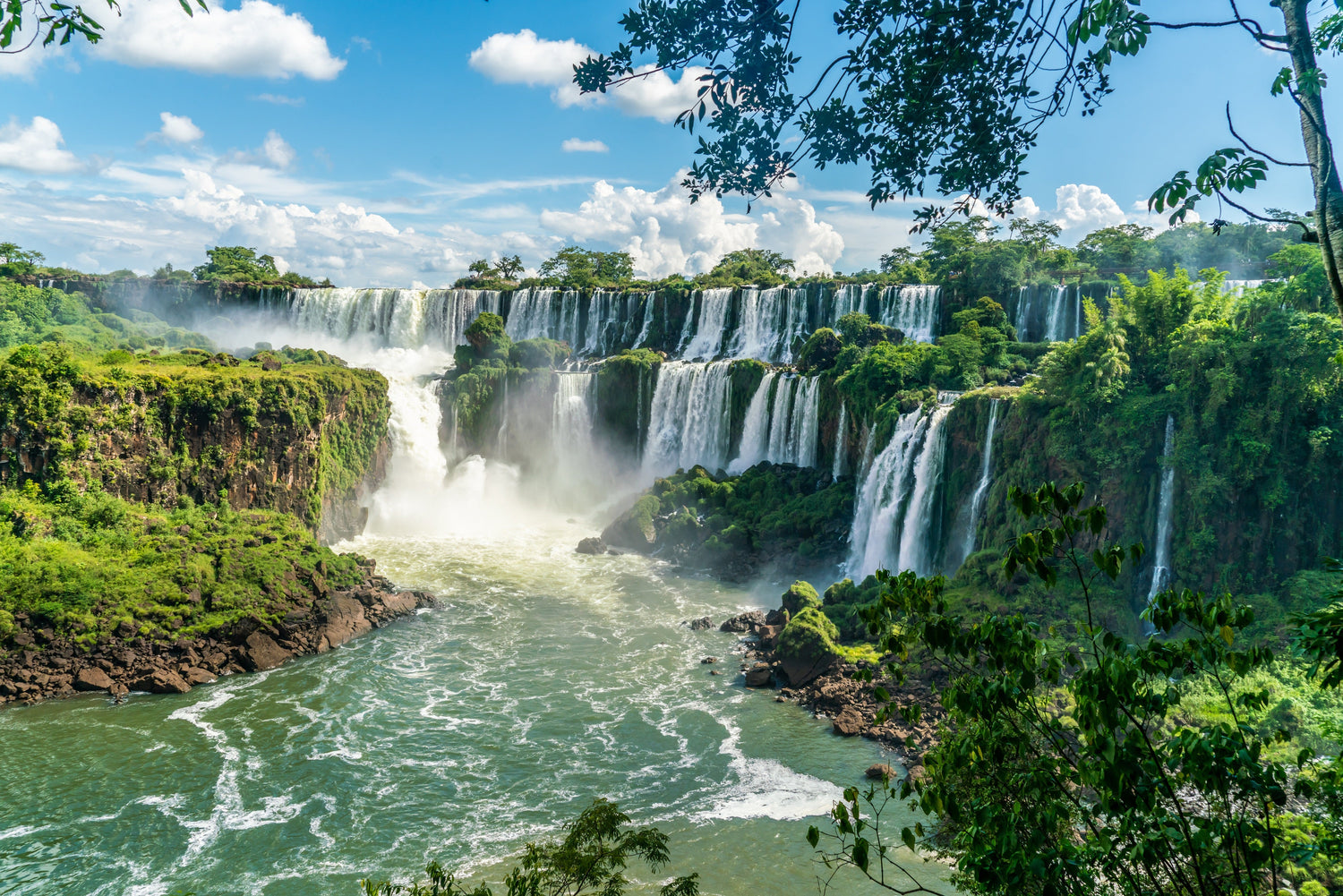
Argentina stretches across vast contrasts: the thundering subtropical cascades of Iguazú, sun-drenched high-altitude vineyards in Mendoza, the temperate pulse of Buenos Aires and the Pampas, and the raw, wind-swept drama of Patagonia with its glaciers, peaks, and Atlantic wildlife coast. At Osaviva, we craft tailor-made Argentina journeys that align with seasonal rhythms—whether that's peak Patagonia trekking under long summer days, harvest vibrancy in wine country, southern right whales breaching off Península Valdés, or shoulder-season calm for cultural immersion in Buenos Aires.
This guide focuses on mainland Argentina's key regions (Buenos Aires & Pampas, Mendoza & Wine Country, Patagonia, Iguazú & Northeast, and the Atlantic Coast wildlife areas like Península Valdés). Argentina is a year-round destination, but timing matters hugely due to dramatic regional differences and opposite seasons from the Northern Hemisphere (summer December–February, winter June–August). Weather often hinges more on region and altitude than a single "best" month, and many highlights shine even with variable conditions.
 Argentina at a Glance: Seasons and What They Actually Mean
- Buenos Aires & the Pampas: Temperate with warm-to-hot summers (highs 80–90°F/27–32°C), mild winters (50–60°F/10–15°C), and pleasant spring/autumn shoulders. Rain is distributed year-round but often afternoon showers in summer.
- Mendoza & Wine Country: Arid, sunny high-desert climate with big day-to-night swings (warm days, cool evenings). Summers hot and dry; winters cold and clear.
- Patagonia (Bariloche, El Calafate, El Chaltén, Ushuaia): Cool to cold year-round; summer brings mild temps (50–70°F/10–21°C), long daylight, and open trails; winter snow closes many areas but opens skiing.
- Iguazú & the Northeast: Hot, humid subtropical; year-round warmth (70–90°F/21–32°C), with wetter summers boosting waterfall flow and drier winters offering easier access.
- Atlantic Coast Wildlife (Península Valdés, Punta Tombo): Temperate coastal; mild year-round but whale season dominates winter/spring.
Wildlife Seasons Worth Planning Around
- Southern right whales (Península Valdés): Mid-June to mid-December, peaking July–October for mothers/calves and boat tours.
- Magellanic penguins (Punta Tombo/Chubut coast): September to mid-April, with peak colony activity October–March.
- Orcas (Península Valdés): Often late summer/autumn, strongest March–April for hunting spectacles.
Microclimates in Argentina: Why Your Route Matters More Than the Month
- Patagonia's trekking window: November–March for reliable access, longer days, and milder weather; shoulder months (October, April) offer fewer crowds and autumn colors.
- Mendoza's harvest energy: Late February–early March for Vendimia festival and vibrant vineyards.
- Iguazú's waterfall intensity: Higher flow in wet summer (Dec–Feb/Mar); better comfort and trails in shoulder seasons (Apr–May, Aug–Oct).
- Buenos Aires shoulders: Spring (Sep–Nov) and autumn (Mar–May) for comfortable walking, festivals, and lower crowds.

Argentina Mainland Weather by Month: A Quick Reference
| Month | Buenos Aires snapshot | Patagonia snapshot | Mendoza snapshot | Iguazú snapshot | Best For Wildlife, Culture, and Seasonal Highlights | Vibe Check |
|---|---|---|---|---|---|---|
| January | Hot/humid (80–90°F), afternoon showers | Peak summer: mild (50–70°F), long days, open trails | Hot/dry (85–95°F), sunny | Very hot/humid, full falls flow | Patagonia trekking, beach escapes, Iguazú drama | Vibrant, energetic, peak crowds |
| February | Hot/humid, summer peak | Excellent hiking, longer daylight | Warm/dry, vineyards lush | Hot/humid, strong falls | Wine growing season, Patagonia prime, coastal relaxation | Lively, colorful, high season |
| March | Cooling evenings, pleasant | Strong trekking, fewer crowds | Harvest begins, Vendimia builds (festival early March) | Warm/humid, good flow | Wine harvest, Patagonia shoulder, orca spotting | Festive, transitional, rewarding |
| April | Crisp/autumnal, comfortable | Variable, fall colors emerge | Comfortable, post-harvest calm | Milder, less humid, good trails | Buenos Aires + Mendoza combos, autumn scenery | Relaxed, scenic, shoulder value |
| May | Cooler, quiet | Transition to winter, some trails close | Mild, relaxed tastings | Cooler/drier, excellent comfort | City culture, wine slow travel, value trips | Calm, cozy, low-key |
| June | Mild winter, easy sightseeing | Cold/snowy, ski season starts | Cool/clear | Cooler/dry, lower crowds | Early whale season (Valdés), winter Andes | Crisp, authentic, fewer visitors |
| July | Mild, indoor-friendly | Peak winter sports (Bariloche) | Cold/clear | Mild/dry | Skiing, whale watching, cozy cities | Winter clarity, cultural depth |
| August | Comfortable, clear | Cold but crisp | Cool, sunny | Mild/dry | Buenos Aires museums, ongoing whales | Easy logistics, high payoff |
| September | Spring arrives, blooming | Warming, trails reopen | Mild, pre-harvest | Mild, good balance | Penguins return, early Patagonia, shoulder value | Fresh, awakening, lively |
| October | Warm/pleasant spring | Improving access, longer days | Comfortable, sunny | Mild/pleasant | Patagonia trekking buildup, mixed wildlife | Soft light, building energy |
| November | Warm, low humidity | Sweet spot: strong trails, pre-peak | Warm/dry | Warm, balanced | Patagonia prime, late whales, photography | Crisp mornings, high-reward days |
| December | Hot/humid, festive | Summer starts, open everywhere | Hot/dry | Hot/humid, full flow | Patagonia, Iguazú, holiday vibes | Bright, celebratory, summer start |
 Month-by-Month Breakdown
January: Peak Summer and Patagonia in Full Swing
Long days and mild weather make Patagonia ideal for trekking (Torres del Paine, Fitz Roy). Buenos Aires heats up with nightlife; Iguazú roars at full volume.
Best for: Active adventures, glacier views, beach time.
Osaviva tip: Book Patagonia lodges early, this is a month with peak demand.
February: Continued Patagonia Prime and Wine Country Lushness
Trails stay excellent in the south; Mendoza vineyards glow green. Coastal relaxation picks up.
Best for: Hiking, wine tastings, multi-region escapes.
March: Harvest Energy and Shoulder Comfort
Mendoza's Vendimia festival (early March) brings parades, events, and harvest buzz. Patagonia remains strong with softer crowds; orcas active in Valdés.
Best for: Wine-focused trips, Patagonia with ease, coastal wildlife.
April: Autumn Colors and Crisp Exploration
Fall foliage lights up Patagonia and Mendoza; Buenos Aires feels walkable and vibrant.
Best for: Scenic drives, city-wine pairings, relaxed pacing.
May: Quiet Value and Cultural Depth
Lower crowds everywhere; Mendoza ideal for unhurried tastings; Buenos Aires shines for tango and neighborhoods.
Best for: Culture, slow travel, deals.
June: Winter Onset and Whale Arrival
Whales return to Península Valdés; skiing ramps up in the Andes.
Best for: Wildlife coast, winter sports, cozy Mendoza.
July: Snowy South and Strong Whale Viewing
Peak whale season; Bariloche snow sports; Buenos Aires mild for sightseeing.
Best for: Whales, skiing, city immersion.
August: Crisp Clarity and Wildlife Peak
Clear days in many areas; whales strong; penguins building.
Best for: Coastal wildlife, Buenos Aires, shoulder Andes.
September: Spring Awakening and Penguins
Penguins return to colonies; Patagonia trails reopen; spring blooms.
Best for: Early wildlife, Patagonia shoulder, value.
October: Building Momentum and Wildlife Pairings
Longer days in Patagonia; whales/penguins overlap.
Best for: Trekking, photography, mixed itineraries.

November: Patagonia Sweet Spot
Prime hiking weather, pre-peak crowds, strong access.
Best for: Epic trails, scenic routes, end-of-whale season.
December: Summer Kickoff and Festive Energy
Patagonia in full summer mode; Iguazú lush and powerful.
Best for: Nature highlights, holiday travel.
Best Time to Visit Argentina by Travel Style
- Patagonia trekking: November–March (peak Dec–Feb for longest days).
- Whale watching: Mid-June–mid-December (peak Jul–Oct).
- Penguins: September–mid-April (peak Oct–Mar).
- Wine & harvest: February–May (Vendimia early March).
- Buenos Aires culture: September–November or March–May for mild weather.
- Iguazú comfort: April–May or August–October (balanced temps/flow).
 What to Pack (No Matter When)
- Layers for swings (especially Patagonia/Mendoza).
- Waterproof gear for Iguazú spray and Patagonia wind/rain.
- Sturdy walking/hiking shoes.
- Sun protection and hat (high UV at altitude/coast).
- Binoculars/camera for wildlife (Valdés, penguins).
Ready to Make It Real?
Argentina's seasons shape everything from trail conditions to festival energy and wildlife spectacles. Drop us a note at Osaviva—we'll design your itinerary around your priorities, pace, and the seasonal magic you want most.
Last updated March 2026. Wildlife patterns and festival dates (e.g., Vendimia) can vary slightly year to year, so we confirm details during planning.
