
Your Guide to Seasons, Microclimates, and the Best Time to Visit Patagonia
Patagonia is not a one-season destination. It is a land of dramatic contrasts: wind-swept granite towers and turquoise lakes in Torres del Paine, massive calving glaciers in Los Glaciares, rugged fjords and penguin colonies in Tierra del Fuego, and wildlife-rich Atlantic coasts like Peninsula Valdes. At Osaviva, we plan Patagonia journeys by matching the region and activity to the month, so your trip delivers the right conditions for what you want most, whether that is clear-day hikes with iconic views, fewer crowds on the trails, vibrant autumn colors, or prime wildlife sightings like penguins, whales, or pumas.
Patagonia's vast scale and unpredictable weather mean the best time to visit Patagonia depends on your priorities: peak summer (December to February) for long days and reliable hiking, shoulder seasons (October to November and March to April) for balanced weather and fewer crowds, or winter (June to August) for solitude and wildlife viewing in a snowy landscape.
This guide walks through Patagonia month by month with seasonal patterns, wildlife moments, regional microclimates, and cultural or harvest notes worth building into a tailor-made itinerary.
 Patagonia at a Glance: What Seasons Mean Here
Patagonia does not have one weather calendar. The Chilean side (Torres del Paine), Argentine side (El Calafate, El Chalten), Tierra del Fuego, and northern Atlantic coast all behave differently, even in the same month. Weather can change rapidly anywhere, with strong winds a near-constant feature.
Southern Patagonia (Torres del Paine, Los Glaciares, Ushuaia): Austral summer (December to February) brings the warmest temperatures and longest days. Shoulder seasons offer milder winds and fewer visitors. Winter brings snow, shorter days, and quiet trails.
Northern/Atlantic Patagonia (Peninsula Valdes, Puerto Madryn): Milder overall, with whale-watching peaks in the cooler months and penguin breeding in spring/summer.
Tierra del Fuego and fjords: Cooler and wetter, with dramatic scenery year-round but best accessibility in the warmer months.
Patagonia by Month: At a Glance
| Month | Where conditions tend to be strongest | Best Time To Visit For | Wildlife, Festival & Seasonal Highlights | Vibe Check |
|---|---|---|---|---|
| January | Torres del Paine, Los Glaciares, El Chalten | Hiking, glacier views, long daylight | Peak summer; penguin chicks visible; long trekking days | Bright, busy, energetic |
| February | Southern Patagonia parks | Trekking and multi-day routes | Warmest weather continues; strong conditions for W Trek or Fitz Roy hikes | Peak season energy |
| March | Torres del Paine, El Calafate | Autumn colors and shoulder-season value | Fall foliage begins; fewer crowds; good glacier and lake views | Colorful, quieter, crisp |
| April | Southern Patagonia, Tierra del Fuego | Photography, reduced crowds | Vibrant autumn landscapes; wildlife more visible as visitors thin | Golden hues, peaceful |
| May | Atlantic coast, early winter prep | Transition to quieter travel | Cooler days; potential for early snow in higher areas | Cooling, transitional |
| June | Peninsula Valdes, winter wildlife areas | Whale watching and solitude | Southern right whales active; snowy landscapes | Cold, serene, uncrowded |
| July | Northern Patagonia, glacier viewing | Winter immersion and puma tracking | Snow-covered scenery; excellent for wildlife in quieter parks | Wintry, intimate |
| August | Peninsula Valdes, Ushuaia area | Wildlife and emerging spring | Whales and seals; elephant seal breeding activity | Cold but awakening |
| September | Spring shoulder, Torres del Paine edges | Wildflowers and fewer crowds | Spring blooms; wildlife becoming more active | Fresh, blooming, balanced |
| October | Spring across Patagonia | Hiking with wildflowers | Penguins returning; lupins in bloom; shoulder-season access | Vibrant, refreshing |
| November | Southern parks, Tierra del Fuego | Pre-peak trekking and wildlife | Baby animals emerging; good trail conditions before full summer rush | Lively, building energy |
| December | All major parks and coasts | Peak summer adventures | Longest days; penguin chicks at their cutest; holiday atmosphere | Sunny, bustling, long-light |
Expert insight: Patagonia's weather is highly variable and regional. The austral summer (December to February) generally offers the most reliable conditions for hiking and sightseeing, with long daylight hours. Shoulder seasons (September to November and March to May) provide excellent value with fewer crowds and beautiful transitional scenery. Winter (June to August) suits those seeking solitude, snowscapes, and concentrated wildlife viewing.
Microclimates in Patagonia: Why Your Route Matters
- Torres del Paine (Chilean Patagonia): Windy with micro-variations around the massif; valleys can be sheltered while exposed ridges are gusty. Summer offers the best trail access.
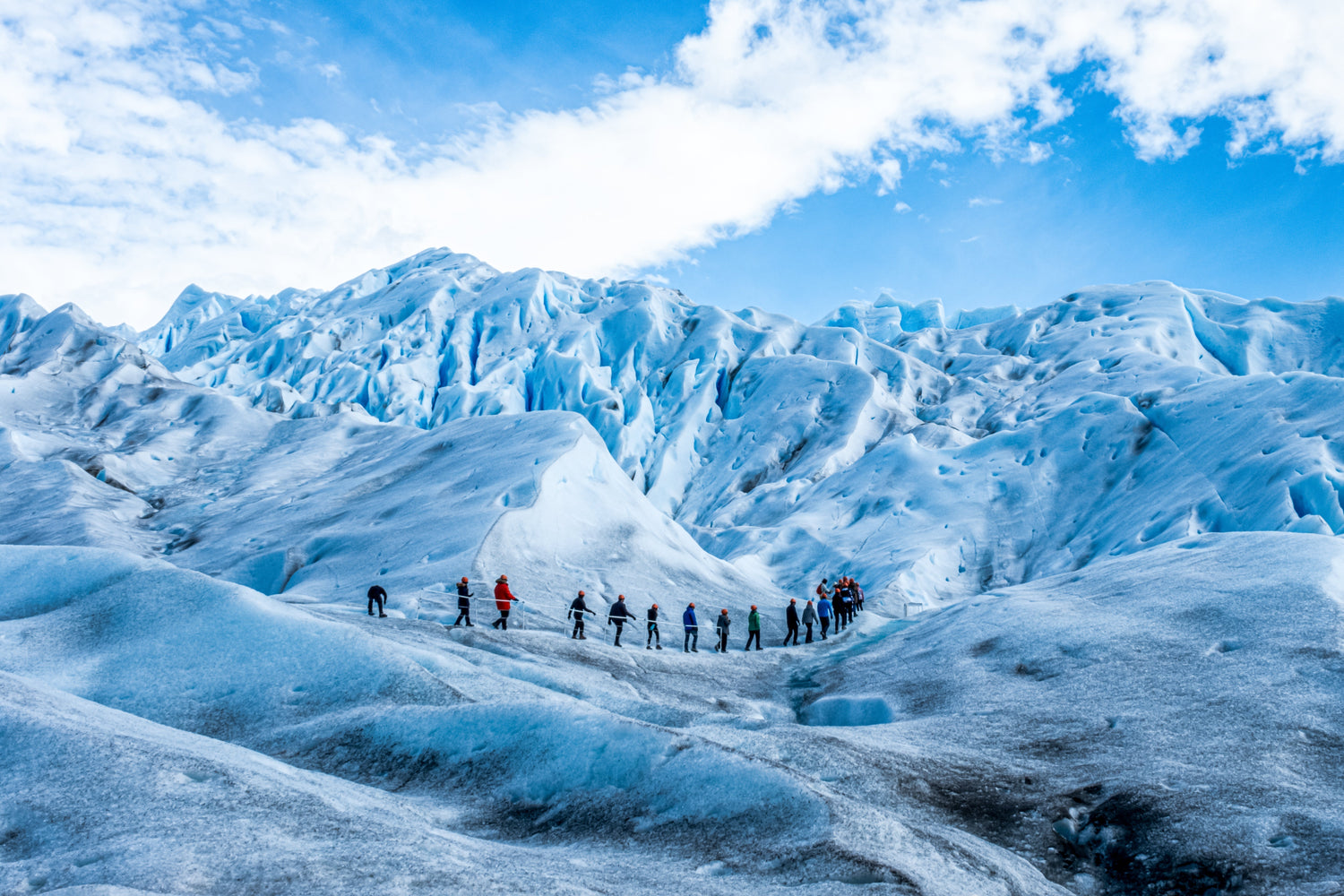
- Los Glaciares / El Calafate and El Chalten (Argentina): Drier and brighter on the eastern side of the Andes. Perito Moreno Glacier has its own microclimate with dramatic calving year-round.
- Tierra del Fuego and Ushuaia: Cooler, wetter, and more fjord-influenced. Beagle Channel areas feel maritime; inland can be crisper.
- Peninsula Valdes and Atlantic coast: Milder and drier than the deep south, with protected bays ideal for marine life. Warmer in summer but whale season peaks in cooler months.
- Lake District (northern Patagonia, e.g., Bariloche): More forested and lake-moderated, with milder winds and beautiful autumn colors.
- General note: Strong westerly winds affect much of the region year-round, but they can be less intense in shoulder seasons. Higher elevations bring colder temperatures and possible snow even in summer.
Month-by-Month Breakdown
January: Peak Summer and Long Daylight
January sits at the heart of Patagonia's high season. Expect warmest days, up to 17 to 18 hours of daylight, and ideal conditions for hiking the W Trek in Torres del Paine or trails around Fitz Roy in El Chalten. Glaciers and lakes shine under bright skies.
Wildlife note: Penguin chicks are active and adorable in coastal colonies; guanacos and other wildlife are out in force.
February: Continued Summer Perfection
February maintains excellent trekking weather with slightly fewer crowds than January in some areas. It is perfect for multi-day hikes, boat tours to glaciers, and enjoying the full Patagonian summer energy.
Osaviva tip: Book popular refugios and guides early, as this remains a busy period for international visitors.
March: Autumn Colors Emerge
March marks the start of shoulder season with cooling temperatures and the first vibrant reds and golds in lenga forests. Trails remain accessible with noticeably fewer people, making it a photographer's dream.

April: Golden Landscapes and Quiet Trails
April brings beautiful autumn foliage, especially around Torres del Paine and the Lake District. Conditions are still good for hiking and glacier visits, but with a peaceful, reflective atmosphere and better value on accommodations.
Seasonal note: Wildlife becomes easier to spot as visitor numbers drop.
May: Transition to Cooler Days
May signals the shift toward winter. Days shorten, but early autumn colors linger in some areas. It works well for those who want a head start on quieter travel before snow arrives in higher zones.
June: Winter Wildlife and Solitude
June offers a wintry Patagonia with snow-dusted landscapes. Peninsula Valdes shines for southern right whale watching, while puma tracking in Torres del Paine can be excellent due to fewer disturbances.
July: Deep Winter Immersion
July continues the cold, quiet season. Snow-covered peaks and glaciers create striking scenery. This is ideal for travelers seeking uncrowded experiences and unique winter photography or light trekking.
August: Wildlife Peaks and Spring Hints
August sees continued whale and seal activity on the Atlantic coast. Elephant seals are particularly active. Early signs of spring begin to appear toward the end of the month in northern areas.
September: Spring Awakening
September brings blooming wildflowers (including iconic lupins in Chilean Patagonia) and increasing wildlife activity. It is an excellent shoulder month for mixed itineraries with good value and emerging trail access.

October: Wildflowers and Building Energy
October is vibrant with spring blooms and returning penguins. Hiking conditions improve, and crowds remain lighter than in full summer, making it one of the most photogenic and balanced months.
Wildlife note: Baby animals and active marine life add special moments.
November: Pre-Peak Shoulder Sweet Spot
November offers strong hiking weather before the December rush. Wildflowers are in full display, and trails feel lively but not overcrowded. A great time for comprehensive Patagonia routes.
December: Festive Summer Start
December kicks off peak summer with the longest days and holiday energy in gateway towns. Penguin colonies are bustling with chicks, and all major attractions are fully open and accessible.
Seasonal note: Book well in advance for popular lodges and treks.
 Seasonal Food, Farming, and Harvest Notes Worth Planning Around
- Patagonian lamb and asado: Year-round but especially celebrated in summer months with outdoor gatherings; many estancias offer authentic experiences tied to local ranching rhythms.
- Seafood and king crab: Fresh catches from the fjords and coasts shine in warmer months; Ushuaia and Punta Arenas have strong culinary scenes built around local marine harvests.
- Berry seasons and foraged elements: Calafate berries and other native fruits appear in late summer and autumn, often featured in jams, desserts, and local menus.
- Estancia and gaucho culture: Rural experiences align with seasonal livestock cycles, offering deeper connection in shoulder months when tourism pressure is lower.
 Best Time to Visit Patagonia by Travel Style
- Trekking and hiking (Torres del Paine W Trek, Fitz Roy): December to February for longest days and best conditions; October to November and March for fewer crowds and beautiful light.
- Glacier viewing and boat tours (Perito Moreno, Grey Glacier): Year-round, but summer offers the most comfortable access and longer daylight.
- Wildlife watching (penguins, whales, pumas): October to March for penguins and marine life; May to September/December for southern right whales at Peninsula Valdes; winter/shoulder for better puma sightings.
- Photography and landscapes: March to April for autumn colors; September to November for wildflowers and spring greens.
- Winter or solitude experiences: June to August for snowy scenery, lower prices, and uncrowded parks.
Shoulder seasons (October/November and March/April) often provide the best overall value as the best time to visit Patagonia for balanced weather, scenery, and crowds.
 What to Pack (No Matter When)
- Layered clothing: moisture-wicking base layers, fleece mid-layers, and a waterproof/windproof shell jacket
- Sturdy, broken-in hiking boots with good grip
- Warm hat, gloves, and neck gaiter for wind and cold snaps
- Sunglasses and sunscreen (UV is strong with reflective snow/ice)
- Quick-dry trekking pants and versatile tops
- A reusable water bottle and daypack rain cover
Ready to Make It Real?
Patagonia planning gets easy when the route and timing match your priorities. Tell us what matters most, iconic treks with clear views, wildlife encounters, autumn photography, or a relaxed shoulder-season journey, and we will build the trip around the best regional conditions.
Whether your priority is the best time to visit Torres del Paine in summer clarity or wildlife in a quieter winter landscape, Osaviva matches the season to your style. Drop us a note to get started planning.
Last updated April 2026. Seasonal patterns are based on long-term trends, and weather or wildlife timing can vary year to year.
