
Your Guide to Temperatures, Rain, and the Perfect Time to Visit
Thinking about Ecuador beyond the Galápagos? You are in for a country of contrasts: snow-dusted volcanoes and steamy Amazon rivers, cloud forests humming with birdsong, and a Pacific coast where humpback whales arrive like clockwork. At Osaviva, we plan tailor-made Ecuador journeys that balance comfort, culture, and the best seasonal moments, whether that means timing a festival in the Andes, catching rose season in full bloom, or choosing the right region when weather patterns shift.
This guide focuses on mainland Ecuador (Andes, Amazon, Pacific Coast, and cloud forest). If you are heading to the islands too, the Galápagos has its own rhythms and deserves its own planning calendar. Start here, then hop over to our Galápagos month-by-month guide for island-specific seasons.
The big takeaway: Ecuador is a year-round destination. Weather is shaped more by altitude and region than by a single “best month,” and many experiences still run beautifully with a little rain on the forecast.
 Mainland Ecuador at a Glance: Seasons and What They Actually Mean
Andes (Quito, Cotopaxi, Otavalo, Cuenca): Mild spring-like days most of the year, cooler nights, and two rainier stretches that often peak in March to May and again in October to November. June to September is typically the clearest window for big mountain views.
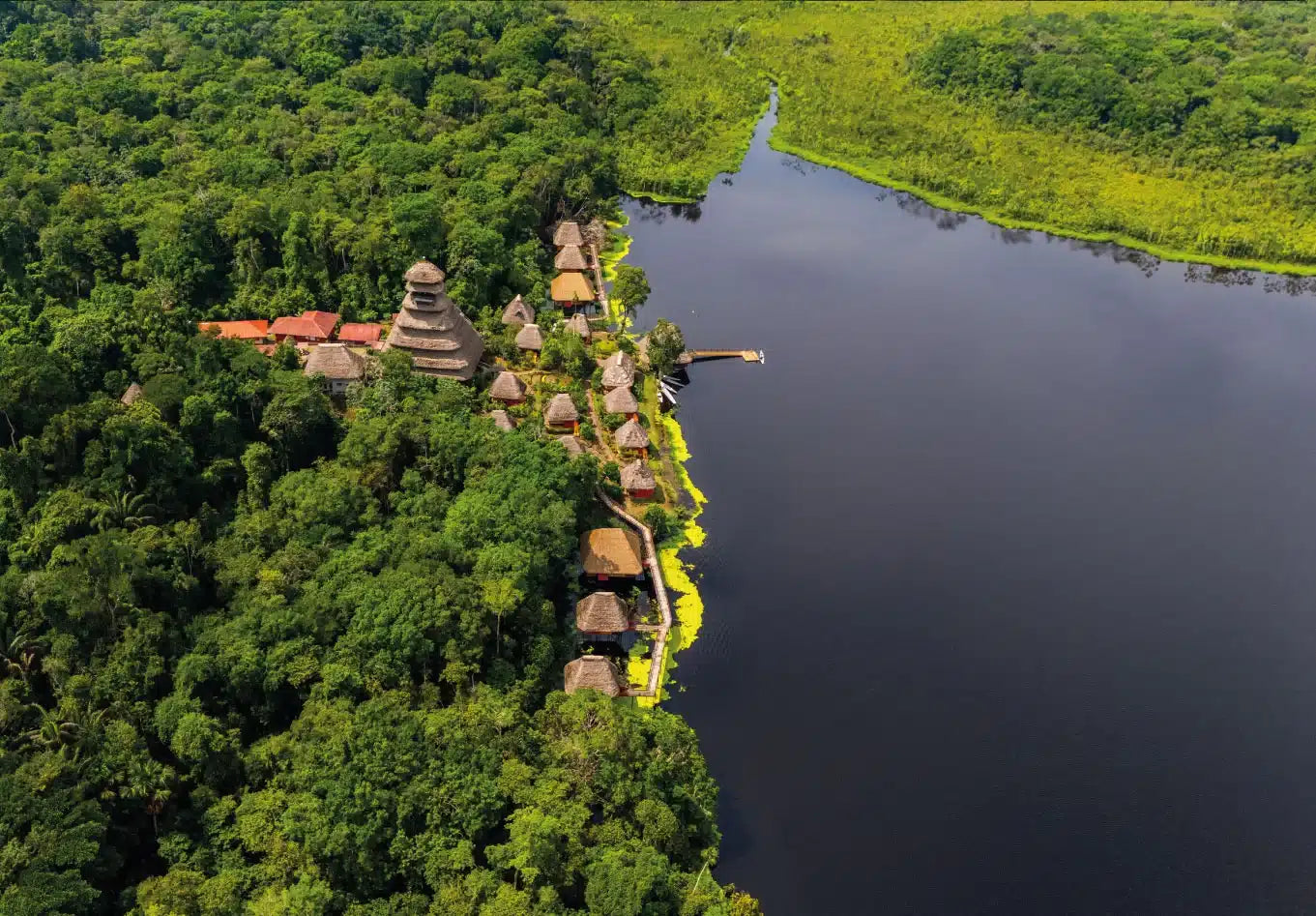
Amazon (Yasuní and the Oriente): Warm and humid year-round. Water levels and rainfall influence what you experience. Higher water can mean deeper canoe access into flooded forest, while lower water can mean easier trail walking and wildlife spotting from banks and beaches.
Pacific Coast (Manabí, Machalilla, Puerto López): Generally warmer. Humpback whale season is a headline moment here, typically strongest from June through September.
Cloud forest (Mindo and the Chocó foothills): Lush, misty, and wildlife-rich year-round. It is a favorite for birders because even “rainy” days can deliver incredible sightings.
 Ecuador Mainland Weather by Month: A Quick Reference
| Month | Andes (Quito area) weather snapshot | Pacific Coast snapshot | Best For | Wildlife, Culture, and Seasonal Highlights | Vibe Check |
|---|---|---|---|---|---|
| January | Mild days, cool nights; scattered showers | Warmer coast; mixed sun and cloud | City + countryside combos | Great time for markets and food culture; rose farms are at peak production leading into Valentine’s demand | Comfortable, flexible, low stress |
| February | Often one of the drier stretches in the Andes | Beach days begin to feel easy | Festivals + highland stays | Carnaval season brings water fights, parades, and big local energy (dates shift each year) | Playful, celebratory, photogenic |
| March | Rainier period begins in many highland areas | Coast stays warm; showers come and go | Cloud forest wildlife | Green landscapes in the Andes; excellent birding in Mindo and the Chocó | Lush and vibrant |
| April | Often rainy in the Andes; afternoons can be wet | Warm coast; mixed visibility offshore | Culture and cuisine | Semana Santa observances and traditional foods in many regions | Moody skies, rich cultural feel |
| May | Transition month; rain starts to ease | Coast begins trending clearer | Shoulder season value | Coffee harvest begins in several mainland growing regions, a strong time for farm visits and tastings | Good deals, greener landscapes |
| June | Clearer skies arrive in many Andean areas | Whale season begins on the coast | Big scenery + wildlife | Inti Raymi and related Andean celebrations build in late June; humpback whales return to the coast | Crisp mornings, high payoff days |
| July | Often clear and cool, excellent visibility | Peak whale watching conditions | Active itineraries | Prime month for Cotopaxi views; humpback whale sightings are strong near Puerto López | Classic “best of Ecuador” energy |
| August | Dry-season feel continues in the Andes | Whales still strong; sunny beach days | Families and multi-region trips | Peak season for highlands + coast combos; coffee harvest continues in many areas | Easy logistics, high demand |
| September | Still fairly clear in the Andes | Late whale season continues | Culture + coast | Mamá Negra celebrations are often tied to September in Latacunga | Festive, a little less crowded |
| October | Rainier season often returns in the Andes | Coast can be mixed; warm water | Cloud forest and Amazon | Green landscapes return; great month for rainforest-focused trips | Soft skies, slower pace |
| November | Showers continue; clear pockets appear | Coast stays warm; fewer visitors | Food traditions and markets | Day of the Dead traditions bring colada morada and guaguas de pan (Nov 2) | Cozy, cultural, local feel |
| December | Festive season in cities; cool evenings | Coast turns popular again | Holiday travel | Fiestas de Quito celebrate the city’s founding around early December | Bright nights, celebratory streets |
 Microclimates in Ecuador: Why Your Route Matters More Than the Month
- High Andes (Quito, Cotopaxi, Otavalo): Best clarity is often June through September, ideal for volcano views and hiking days.
- Cloud Forest (Mindo and the Chocó foothills): Wildlife-rich year-round. Mist is part of the magic, and birding can be excellent in every season.
- Amazon (Oriente): Water levels shape the experience. High water can mean more canoe access into flooded forest. Lower water can mean easier trail walks and different wildlife viewing patterns.
- Pacific Coast (Machalilla and Puerto López): Humpback whales typically arrive June to September, with strong viewing in July and August.
Month-by-Month Breakdown
January: Fresh Starts and Easy Pairings
January is a strong month for combining a highland base (Quito or Cuenca) with a few nights in the cloud forest. Expect mild days, cooler evenings, and landscapes that still feel green from recent rains.
Seasonal note: Ecuador’s rose industry is productive year-round, but the Valentine’s cycle makes late January and February an especially interesting window for rose farm visits and floral experiences.
February: Festival Energy and Clear Highland Days
February often delivers comfortable highland weather and a lively cultural calendar. Carnaval brings community celebrations across the country, with each region putting its own stamp on the season.
Osaviva tip: If your clients want festivals without chaos, we plan private guides and quieter bases, then “dip into” the celebrations at the right moment.
March: Lush Landscapes, Cloud Forest Spotlight
March can be wetter in the Andes, which makes the countryside feel intensely green. It is a great time to prioritize the cloud forest, where wildlife outings can still be excellent even with a little mist.
April: Culture, Cuisine, and Slow Travel
April is ideal for travelers who love markets, cooking experiences, and layered cultural days. Afternoon showers are common in many Andean areas, so we build itineraries around earlier starts and flexible indoor moments.

