
Weather, Wildlife & Month-by-Month Guide
What’s the best time to visit the Galápagos? It’s the first question every traveler asks, but here’s the secret: there is no single "best" time. The real question isn't "when is it best?" but "what’s the best time for you?" Your perfect trip depends entirely on whether you dream of swimming in warm, sunny waters or seeing marine wildlife at its most active.
The islands operate on a rhythm of two distinct seasons, not one year-round tropical climate. The Galápagos warm season (or Hot & Wet season) runs from December to May. From June to November, the islands shift into the Cool & Dry season, locally known as the Garúa season. Think of the Garúa’s signature mist like San Francisco's morning fog. It often burns off by midday, leaving sunny skies.

 Best Time to Visit the Galápagos Islands: Understanding the Two Main Seasons
Travelers researching the best time to go to Galápagos, the best time of year to visit Galápagos islands, or when is the best time to travel to the Galápagos should begin by understanding the islands’ two seasonal personalities. Each season offers different wildlife highlights, weather patterns, and travel experiences.
Seasonal Overview Cheat Sheet
- Hot & Wet Season (Dec-May): Sunny skies, warmer water, ideal for land animal breeding.
- Cool & Dry Season (Jun-Nov): Misty mornings, cooler water, peak marine animal activity.

Galápagos Weather by Month Quick Guide
| Month | Season | Weather & Sea Conditions | Wildlife Highlights | Who It’s Best For |
|---|---|---|---|---|
| January | Warm & Wet | Hot, calm seas | Marine iguanas breeding | Snorkelers, photographers |
| February | Warm & Wet | Warmest water temperatures | Sea lion activity | Swimming and families |
| March | Warm & Wet | Lush landscapes | Turtle nesting | Wildlife-focused travelers |
| April | Transition | Balanced weather | Albatross arrival | Shoulder season value |
| May | Transition | Calm seas, fewer crowds | High biodiversity | Best overall balance |
| June | Cool & Dry | Cooler water, garúa begins | Penguins active | Marine wildlife lovers |
| August | Cool & Dry | Windier seas | Blue-footed boobies nesting | Birdwatchers |
| November | Transition | Warming trends | Mixed wildlife activity | Lower crowds |
| December | Warm & Wet | Hotter weather returns | Breeding season begins | Holiday travelers |
 The Hot & Wet Season (December to May): Your Ticket to Warm Water and Active Land Animals
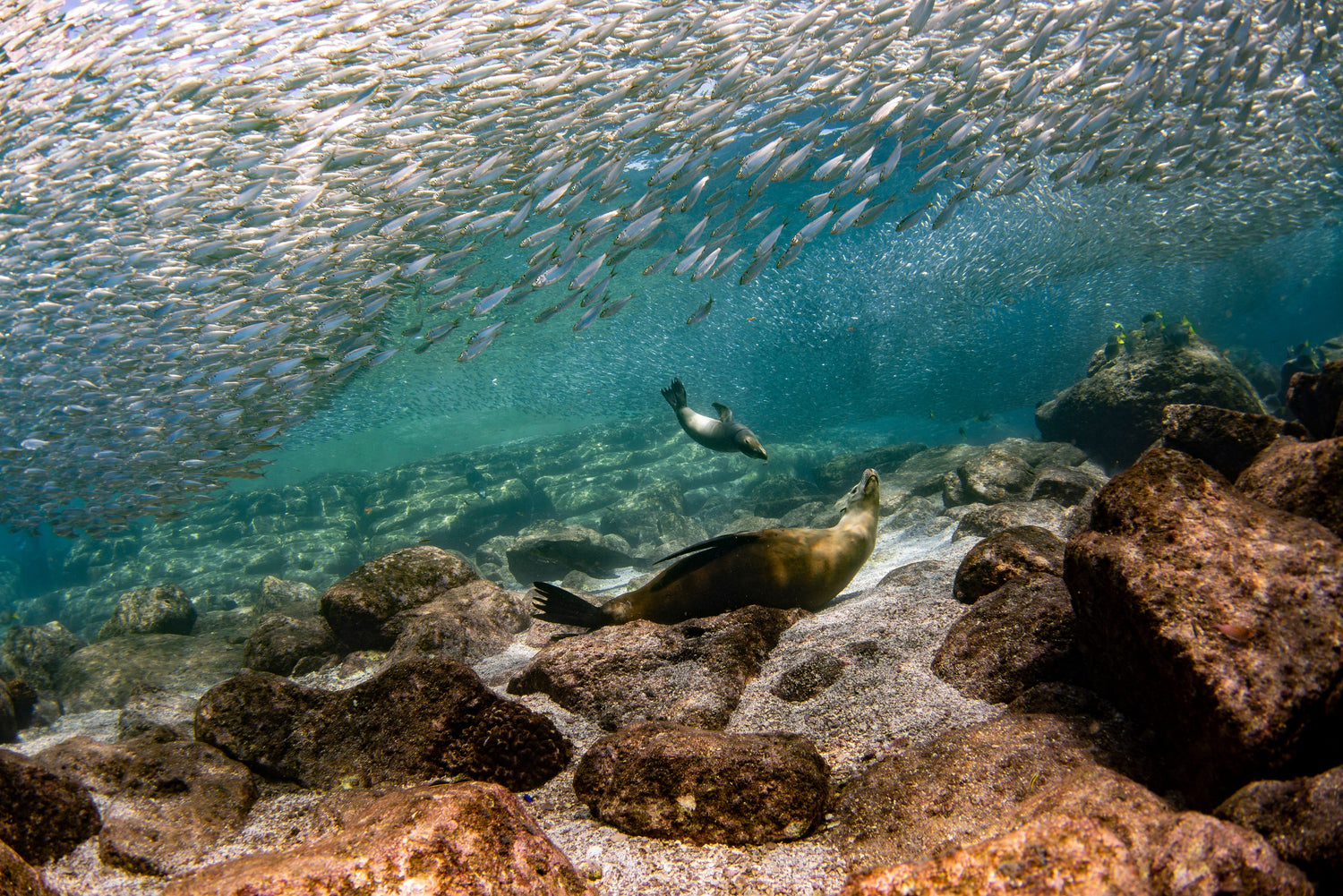
If your idea of paradise involves swimming in clear, bath-like water, this is your season. From December to May, ocean temperatures climb as high as 80°F (27°C), making it the best time for snorkeling and swimming. You can often trade a thick wetsuit for just a swimsuit as you glide alongside playful sea lions and graceful sea turtles, with the equatorial sun warming your back.
The pleasant water isn't the only benefit for those on a boat. This season generally brings calmer seas, a direct result of weaker trade winds. For travelers concerned about seasickness, this period offers the smoothest navigation between islands, allowing you to focus on the scenery instead of the horizon. January and February, in particular, are known for their tranquil ocean conditions.
Meanwhile, on the islands themselves, the occasional rains trigger a burst of life. This is the primary breeding season for land animals. You’ll have the best chance to see giant tortoises migrating to the lowlands to nest, and marine iguanas displaying their brightest breeding colors. It’s a time when the action on land truly comes alive, perfectly complementing the tranquil, inviting sea.
 The Cool & Dry Garúa Season (June to November): Why Colder Water Means More Wildlife
Beginning in June, the dynamic changes. The powerful Humboldt Current arrives, bringing cooler water that creates the famous garúa, a refreshing sea mist. While you’ll want a wetsuit for snorkeling, this seasonal shift is the secret to the islands' most explosive wildlife displays. The colder the water, the more life you’ll see.
The reason is a process called upwelling. This is when the current pulls deep, nutrient-packed water to the surface, creating a buffet for marine creatures. This feast kicks off a chain reaction: plankton blooms attract fish, which in turn draw in predators from across the archipelago.
For you, this means unparalleled action. It's the best time to see Galápagos penguins darting after fish and the only time to witness the waved albatross. This season, particularly around September and October, offers the most active marine life. You simply trade warmer water for an ocean that is vibrantly alive.
Your Galápagos Wildlife Viewing Calendar
- Waved Albatross: Arrive on Española Island in April and stay through December.
- Blue-Footed Boobies: Peak nesting from June to August.
- Giant Tortoises: Nesting December-May, roaming highlands June-November.
- Hammerhead Sharks: Best sightings during the warm season.


How to Navigate Crowds, Costs, and Cruise Conditions
The Galápagos peak season runs from June through August and again during Christmas and New Year holidays. Shoulder months such as April, May, September, and October often offer fewer crowds and better pricing.
If calmer seas are important, December through May generally offers the smoothest conditions for cruising.
Your Perfect Season Cheat Sheet
- Choose December-May: Warm water, calm seas, active land animals.
- Choose June-November: Cooler water, peak marine wildlife activity.
By choosing the season that fits your interests, you create a personalized Galápagos experience shaped by the natural rhythm of the islands.
