
Your Guide to Temperatures, Rain, and the Perfect Time to Visit
Hey there, fellow Panama dreamer. If you are planning a trip that blends rainforest wildlife, island-hopping, cloud forest coffee country, and a little city energy, you are probably wondering what the weather is really like. At Osaviva, we design tailor-made Panama journeys, and we know timing is not just about blue skies. It is also about syncing your trip with peak wildlife moments, microclimates (Panama has many), and cultural highlights that can turn a great itinerary into a once-in-a-lifetime one.
Panama is a year-round destination. The drier months make logistics easy, but the greener months deliver lush landscapes, fewer crowds, and excellent value. Many signature experiences run rain or shine, including the Panama Canal, city food tours, rainforest walks, snorkeling, and guided wildlife outings. The key is planning your days well, starting earlier, and choosing regions that match the season.
This guide breaks it all down month by month, including whale migration windows (Panama is one of the rare places with two humpback whale seasons), sea turtle nesting and arribadas, coffee season in the highlands, and the cultural calendar that locals plan their year around.
 Panama at a Glance: Dry Season vs Rainy Season
Drier Season (roughly December to April): Brighter days, lower humidity, and easier travel between regions. This is peak season for beach time on the Pacific, city stays, and multi-region itineraries.
Greener Season (roughly May to November): Lush scenery, fewer crowds, and great value. Many days begin sunny, with showers more likely later in the day, especially in the interior and on the Pacific slope. The rain is often short, then the world turns emerald again.
Microclimates matter: Panama is narrow, mountainous, and bordered by two oceans, so conditions vary fast. A standout example is the Caribbean side. Bocas del Toro often has surprisingly good stretches in September and October compared to much of the Pacific side, making it a smart shoulder-season play.
 Wildlife Seasons to Know
- Humpback whales: Panama has two seasons, with whales from the Northern Hemisphere typically December to April and whales from the Southern Hemisphere typically July to October.
- Sea turtle arribadas (mass nesting): Isla Cañas is famous for olive ridley arribadas, with July to December and especially September to November often cited as a strong window.
- Sea turtle nesting and hatchlings: Timing varies by beach and species, but late summer into fall is a strong bet on key Pacific nesting beaches, and guided conservation visits can sometimes be arranged where permitted.
- Rainforest wildlife: The greener months can be excellent for frogs, butterflies, and rainforest activity, while the drier months can improve trail conditions and visibility for longer hikes.
 Panama Weather by Month: Quick Reference Table
| Month | General Weather Pattern | Best For | Wildlife & Cultural Highlights | Vibe Check |
|---|---|---|---|---|
| January | Dry season, bright days | First-timers, multi-region trips | Peak travel energy; great for canal + islands + highlands | Crisp, sunny, easy |
| February | Dry and warm | Beach time, hiking, city stays | Carnival season builds toward Lent (big celebrations in multiple regions) | Festive, social, bright |
| March | Dry, hotter afternoons | Pacific beaches, sailing, island hopping | Strong conditions for outdoor days and boat-based plans | Sunny, high summer feel |
| April | Late dry season, warming trend | Active itineraries, fewer crowds than winter peak | Great window before the greener shift begins | Bright, shoulder-season edge |
| May | Green season begins | Value trips, rainforest lodges | Lush landscapes return; plan early starts for best touring rhythm | Green, quieter, immersive |
| June | Greener season, warm and humid | Rainforest lovers, soft-season luxury | Excellent for waterfall country and jungle atmosphere | Misty mornings, dramatic skies |
| July | Greener season, mixed sun and showers | Families, flexible itineraries | Southern Hemisphere humpbacks begin (Pacific) | Lush with big moments |
| August | Greener season, wetter patterns | Whale watching, rainforest + spa pace | Humpbacks continue (Pacific) | Wild, warm, cinematic |
| September | Wettest feel on the Pacific, Caribbean often shines | Bocas del Toro and Caribbean-leaning trips | Isla Cañas arribada season peaks into fall | Underrated, strategic |
| October | Wettest feel on the Pacific, Caribbean microclimate advantage | Bocas del Toro, slower travel, values | Arribadas continue; whale season tail end (Pacific) | Moody, lush, low crowds |
| November | Transition month toward drier days | Shoulder-season reset | Independence celebrations are a major cultural moment in early November | Clearing trend begins |
| December | Dry season returns | Holidays, honeymoons, first-timers | Northern Hemisphere humpbacks begin again (Pacific) | Bright, festive, popular |
Microclimates in Panama: Why Location Matters
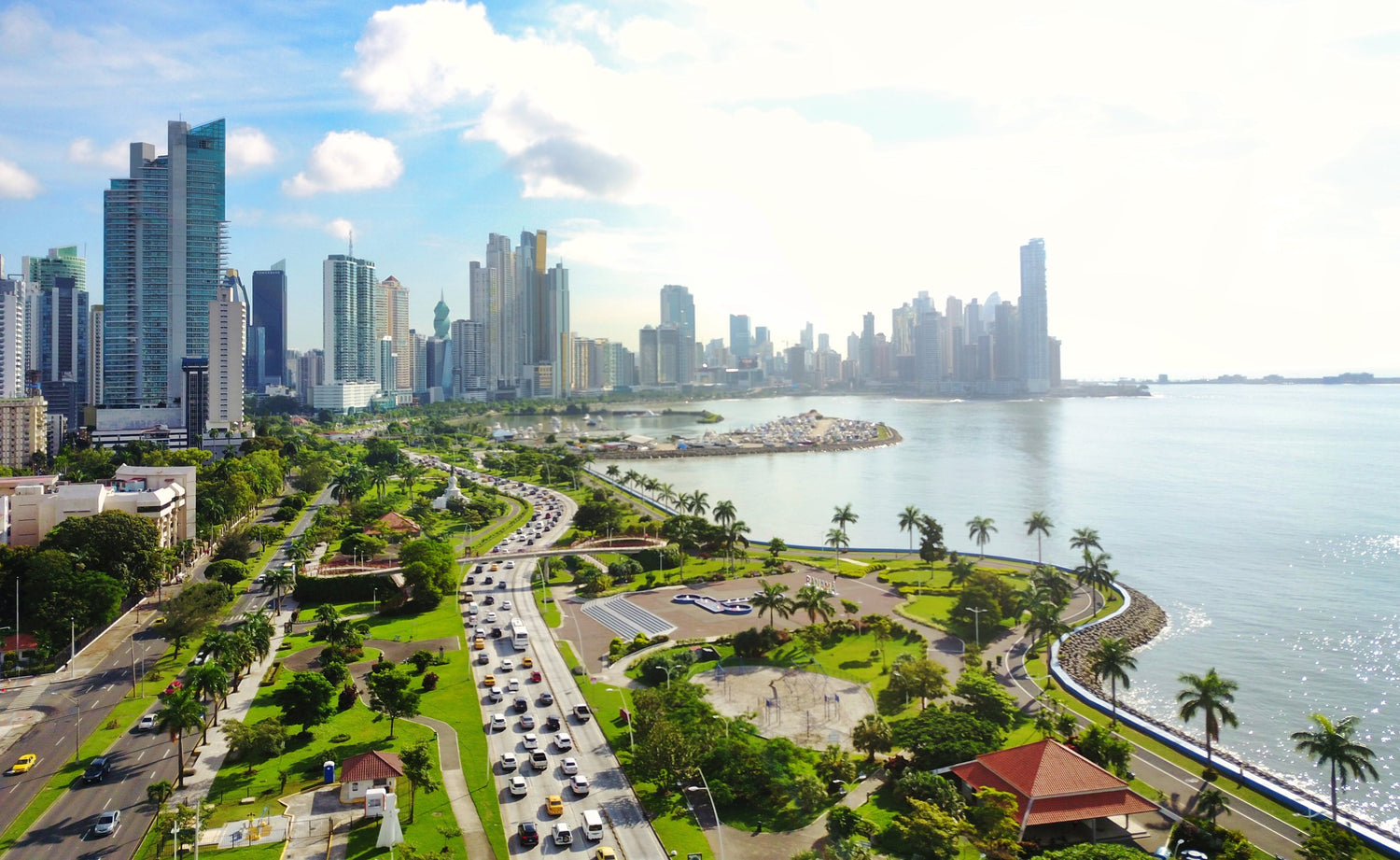
- Panama City + the Canal Zone: Hot year-round. Great backbone region because so many experiences are weather-resilient, including the Canal and museums.
- Pacific Coast (Riviera Pacifica, Azuero, Gulf islands): Strongest classic dry-season feel from roughly December to April. Peak whale watching on the Pacific aligns with Panama’s two humpback windows.
- Bocas del Toro (Caribbean): Microclimate advantage in September and October can make this a smart choice when the Pacific side feels wetter.
- Boquete and the Chiriquí Highlands: Cooler air, cloud forest energy, and the heart of Panama’s coffee country. This is where you plan around coffee season experiences, not just weather.
When we build tailor-made Panama trips, we match your regions to the season so your itinerary feels smooth, not weather-managed.
 Month-by-Month Breakdown
January: Peak Season, Easy Logistics
January is one of the easiest months to travel well across Panama. It is a strong time for a split itinerary, city and canal first, then islands or the Pacific coast, then cooler nights in Boquete.
Osaviva tip: If you want a high-end, low-stress itinerary with multiple regions, this month makes routing simple.
February: Dry Season Plus Carnival Energy
Expect dry, warm days and a lively cultural calendar. Carnival celebrations in Panama are a big deal, with parties, parades, and water play in several towns and cities, typically in the weeks leading up to Lent.
Best fit: Travelers who want a social atmosphere and do not mind higher demand in popular areas.
March: Sun, Sea, and Long Boat Days
March is a dream month for island time on the Pacific side. Think snorkeling, sailing, and barefoot beach days with minimal weather friction.
Wildlife note: Depending on location and conditions, dolphins and other marine life can be a highlight on boat days.
April: The Shoulder Season Sweet Spot
April sits on the edge of the seasonal shift. You can still get classic sunny days, often with slightly fewer crowds than the winter peak. It is also a strong month for active travelers who want a mix of beach and highlands.

May: The Greens Turn On
May brings the first real lushness of the greener season. Plan earlier touring blocks, keep afternoons flexible, and you will still have a fantastic trip. Waterfalls, rainforest stays, and thermal-style relaxation pair beautifully with this time of year.
June: Rainforest Mood, Softer Prices
June is made for travelers who love misty mornings and jungle atmosphere. Many experiences still run smoothly, especially in Panama City, the Canal Zone, and guided nature areas where short showers are normal.
July: Whale Season Begins on the Pacific
July marks the start of the Southern Hemisphere humpback whale season on Panama’s Pacific coast. If you have ever wanted to pair a luxury beach stay with whale watching, this is when the magic starts.
Also great for: Family travel, because the itinerary can mix beaches, wildlife, and shorter activity blocks.
August: Prime Wildlife Pace
August keeps the whale-watching window open on the Pacific. It is also a strong month for rainforest-focused itineraries where the landscape feels alive and the air is thick with tropical energy.
September: Caribbean Microclimate Advantage
September is one of the smartest months to plan around microclimates. While much of the Pacific side can feel wetter, the Caribbean side can deliver excellent travel experiences, especially in Bocas del Toro.
Wildlife note: Isla Cañas is known for olive ridley arribadas, and fall is a key window.
October: Low Crowds, Big Nature
October is a value-and-nature month. It is quieter, lush, and dramatic. Caribbean-leaning itineraries can shine, and on the Pacific, the whale season is nearing its end.
November: Culture, Pride, and a Clearer Turn
November often feels like a reset. Conditions begin trending clearer, and Panama’s independence celebrations in early November bring a festival-like energy to towns and cities across the country.
December: Dry Season Returns, Whale Season Returns Too
December brings back the classic dry-season feel and the start of the Northern Hemisphere humpback whale window on the Pacific coast. It is a strong month for honeymoons, festive travel, and polished, multi-stop itineraries.
 Coffee Season in Panama: When to Plan Boquete
If coffee is part of your dream Panama trip, plan time in the Chiriquí Highlands. The coffee cycle shapes the experience, from farm visits and tastings to harvest-season energy. Many farms harvest in the dry-season window, often peaking from late fall through early spring depending on elevation and microclimate. We plan specific coffee experiences around the farms you want to visit and what is happening that week.
Best Time to Visit Panama by Travel Style
- Whale Watching: December to April and July to October on the Pacific coast.
- Sea Turtles and Arribadas: Late summer through fall is a strong window, with Isla Cañas often highlighted July to December and especially September to November.
- First-Timers: January to April for easy logistics and classic sunny-season planning.
- Value Seekers: May, June, September, and October, planned smartly around microclimates and earlier touring hours.
- Caribbean-Forward Trips: September and October can be excellent for Bocas del Toro when you want to travel off-peak.
What to Pack (No Matter When)
- Lightweight clothing for tropical heat
- A light rain jacket or poncho (especially May to November)
- Comfortable shoes with grip for rainforest trails
- Sun protection (hat, sunglasses, reef-safe sunscreen)
- Bug spray for coastal and rainforest regions
- A reusable water bottle
 Ready to Make It Real?
Weather is just the starting point. The best Panama trips are built around what you want to experience, whales on the Pacific, turtles on protected beaches, coffee country in the highlands, or the Caribbean rhythm of Bocas at exactly the right time.
Drop us a note at Osaviva and tell us what matters most. We will match your route to the season and design a trip that feels effortless.
Last updated February 2026. Seasonal patterns are based on long-term trends, and wildlife timing can vary year to year.
