
Growing up in Canada, summers often meant time at Mara Lake in British Columbia, where stories of the Ogopogo drifted across docks and campfires. Like Scotland’s Loch Ness Monster, it was a creature wrapped in folklore and curiosity. Years later, belief in lake monsters faded, but another legend remained very real. Nearly 7,000 kilometers to the southeast, Lake Nicaragua is home to one of the most unusual and misunderstood predators in the natural world: the bull shark.
For much of the twentieth century, scientists believed the sharks living in Lake Nicaragua were a unique species known as the Lake Nicaragua shark. The prevailing theory suggested the lake had once been connected to the Pacific Ocean, and that geological shifts had isolated the sharks, trapping them in freshwater. It was considered one of the great biological mysteries of Central America.
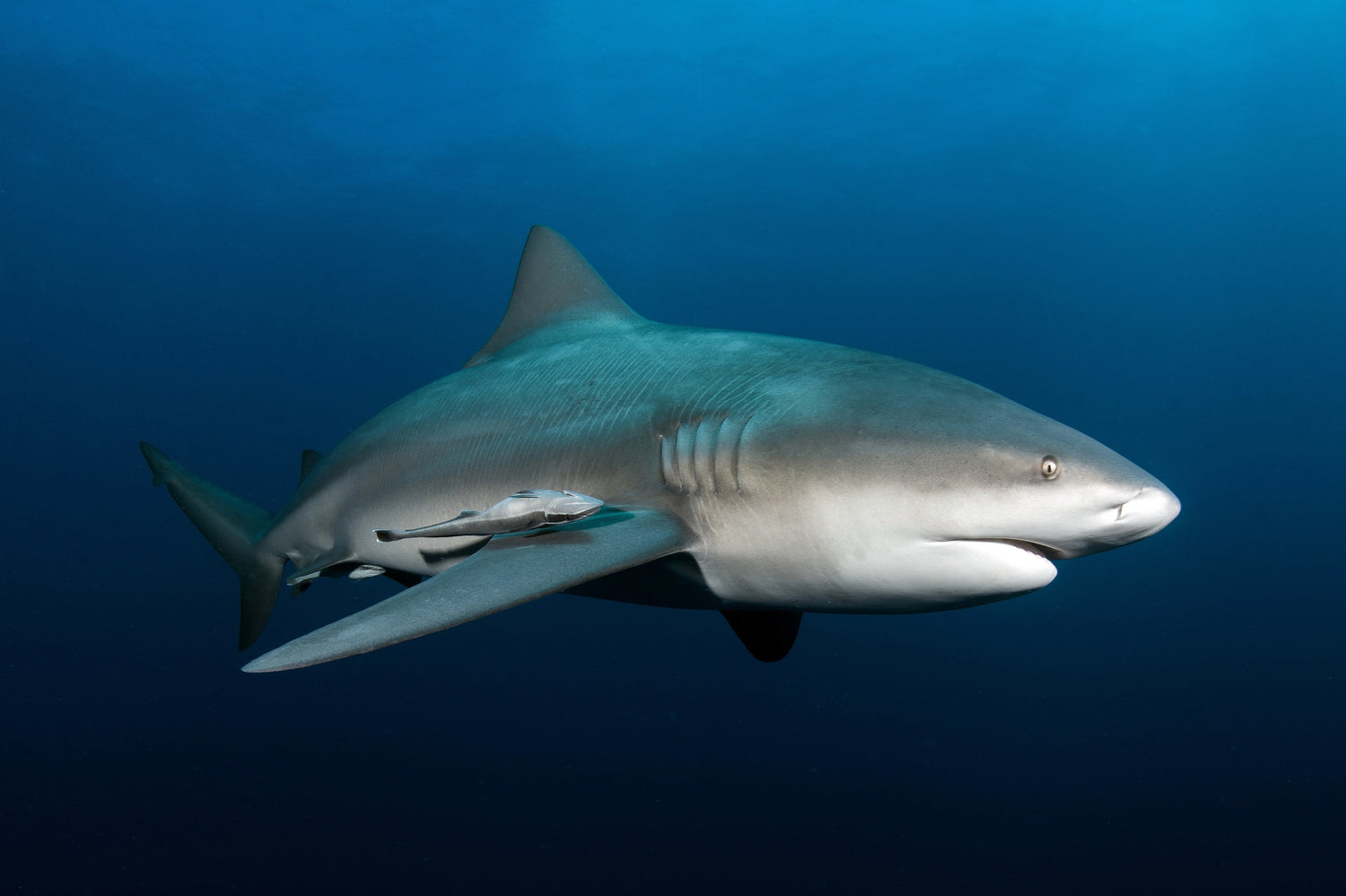
That mystery was solved in 1961, when researchers confirmed that the so-called Lake Nicaragua shark was in fact the common bull shark (Carcharhinus leucas). Unlike most sharks, bull sharks are able to survive in both saltwater and freshwater. Further studies revealed that these sharks were not trapped at all. They migrated naturally from the Caribbean Sea, traveling inland via the San Juan River and making their way into Lake Nicaragua.
Bull sharks are uniquely adapted for this journey. Their bodies regulate salt levels in a way that allows them to move between marine and freshwater environments with ease. While early research suggested the sharks could leap upstream like salmon, modern studies indicate they navigate the river system gradually, tolerating long stretches of freshwater rather than physically jumping obstacles.
In recent decades, sightings of bull sharks in Lake Nicaragua have declined significantly. Scientists attribute this to a combination of factors, including sediment buildup in the San Juan River, habitat degradation, overfishing in the mid-twentieth century, and broader environmental changes. Today, bull sharks are still believed to pass through the river system, but they are far rarer than they once were.
Despite the sharks' rarity today, Lake Nicaragua remains a fascinating destination for eco-conscious travelers. Boat tours, kayaking, or island stays on Ometepe offer safe ways to experience the lake's biodiversity, tarpon, sawfish, and occasional shark sightings included, without venturing into remote river mouths. The low encounter risk makes it a highlight for nature lovers, far safer than many everyday activities.
Bull sharks are often described as powerful, stocky, and highly adaptable. They prefer warm, shallow waters and are commonly found near river mouths and coastal zones worldwide. Their reputation for aggression stems from their tendency to inhabit areas close to human activity. Along with tiger sharks and great white sharks, bull sharks are among the species most likely to be involved in shark bite incidents.
Context matters, though. In Nicaragua, there have been only seven recorded shark attacks in the country’s history, three of which occurred in Lake Nicaragua. The earliest confirmed report dates back to 1950. Statistically, the risk of a shark encounter here is extraordinarily low. You are far more likely to be injured by everyday hazards such as driving, lightning, or even fireworks than by a shark.
Today, Lake Nicaragua remains a place shaped by myth, science, and shifting ecosystems. The presence of bull sharks, even in diminished numbers, is a reminder of the lake’s ancient connection to the sea and the remarkable adaptability of nature. For travelers, it is less a warning than a point of fascination, another layer in the complex story of Central America’s largest freshwater lake.
Legends fade, science evolves, and landscapes change. But Lake Nicaragua’s sharks remain one of the most compelling examples of how reality can be just as captivating as myth.
For those drawn to this unique story, pairing a lake visit with nearby adventures creates an unforgettable Nicaragua experience. Many great places to stay in Nicaragua, from boutique lakeside lodges on Ometepe to luxury coastal resorts, offer guided tours that highlight the ecosystem responsibly. Osaviva can craft a tailored Nicaragua travel package or trip blending the lake's mysteries with volcanoes, beaches, and culture, ensuring safety, sustainability, and seamless logistics. Reach out to plan your journey into Central America's natural wonders.
