
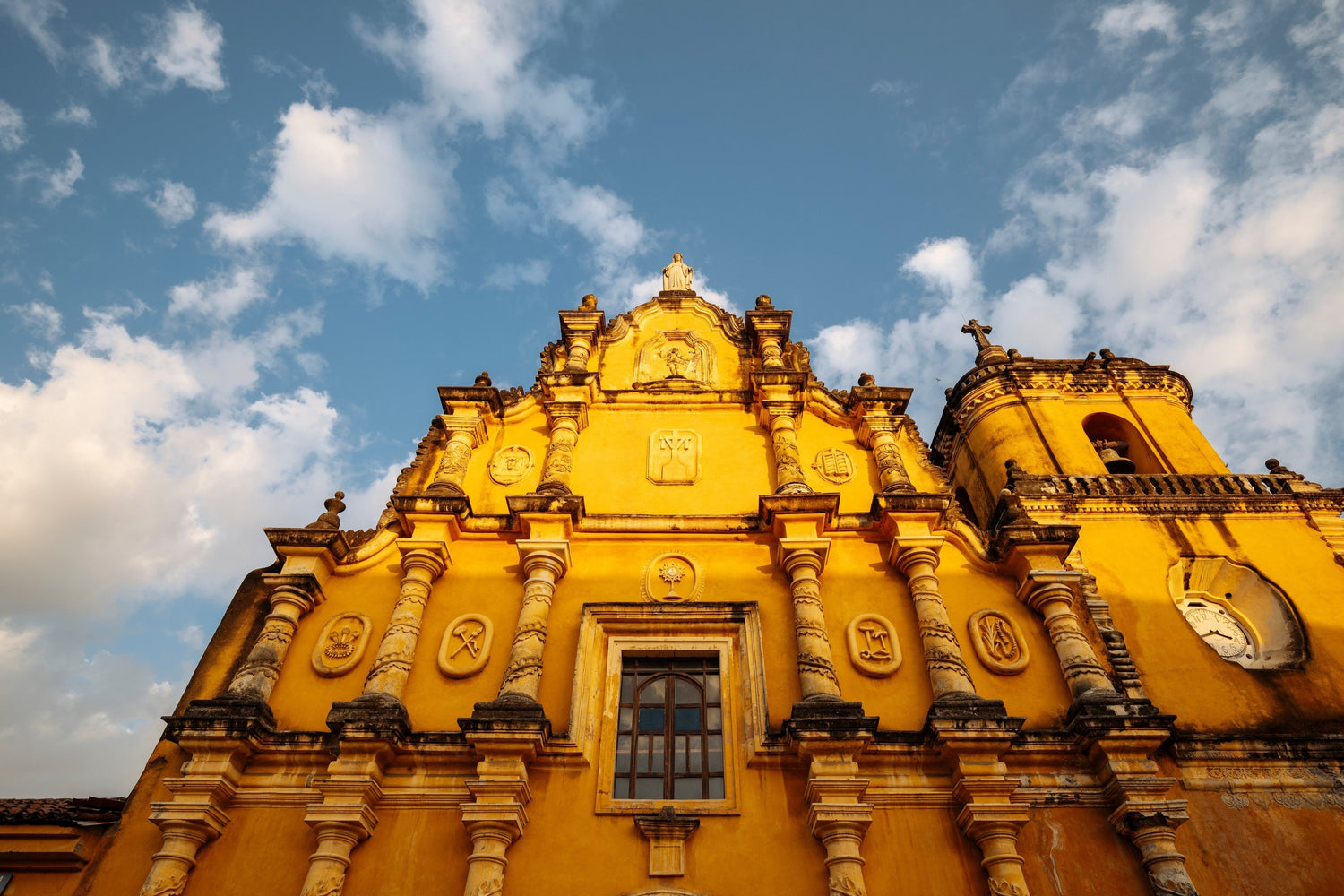
Born and bred Nicaraguan, one of the most common questions I get from friends and new clients is: "Is Nicaragua safe to travel to?" The short answer is yes, it can be.
Nicaragua has a lot to offer: volcanoes, surf, lush jungle, beautiful beaches, centuries-old colonial architecture, and warm, welcoming people. Over the years, many travelers have compared it to Costa Rica before mass tourism, with more space, fewer crowds, and a sense of discovery that still feels real.
The long answer is more complex.
First, let’s address the elephant in the room. Nicaragua has a complicated political history, shaped by dictatorship, revolution, and a civil war in the 1980s. Even decades later, that history still influences how the country is perceived abroad.
A note on the last several years: In April 2018, nationwide protests and a government crackdown led to prolonged unrest and loss of life. While day-to-day travel in many tourism areas can feel calm, the broader political climate has remained sensitive, and travel advisories from major governments continue to reflect that reality.
Today, many travelers visit Nicaragua without incident, but it is smart to plan with care, stay informed, and avoid situations that can change quickly. Government travel advisories commonly recommend a higher degree of caution than in some neighboring destinations, often citing crime concerns and the potential for unpredictable enforcement or restrictions.
Tourism has also been affected in waves over the past several years, including pandemic-era disruptions and periods of reduced demand. Many hotels and restaurants have reopened and rebuilt, but the travel landscape is not identical to what it was in the mid-2010s.
Crime affecting tourists does exist, ranging from petty theft to occasional armed robbery. Violent incidents involving visitors are less common than petty crime, but they can happen. Like anywhere, risk levels vary by neighborhood and by time of day, and large cities tend to see more reported theft and robbery than small tourism communities.
In most cases, good judgment, awareness, and simple habits go a long way. Calling a whole country “safe” or “unsafe” is rarely useful. The more practical question is: “How do I reduce my risk while still enjoying the experience?”
With smart planning, especially in tourism hotspots and great places to stay in Nicaragua, many travelers report positive, incident-free visits year after year.

What Should You Expect while Traveling in Nicaragua?
If you’re coming from a place with low crime rates, Nicaragua can feel different at first. You’ll notice visible security measures that are normal here: high walls around homes, window bars, gated entrances, and guards posted at many hotels, banks, and larger businesses. For some visitors, this can be surprising. In most cases, it is simply part of everyday security culture and is designed to deter opportunistic crime.
Petty crime is a frequent holiday spoiler worldwide. Almost everyone has a story: a phone lifted from a restaurant table, a bag taken off a chair, a car window smashed for something left in plain sight.
Does that mean you need to travel with nothing but a disposable camera and an under-shirt money belt? Absolutely not. The good news about petty crime is that it is often preventable. Keep valuables close, use hotel safes, avoid leaving anything visible in your car, and keep high-end items subtle and simple. Most of the time, that is enough.
Many visitors focus on established tourism areas like the Pacific coast (San Juan del Sur, Playa Maderas), colonial Granada, or the Corn Islands, where risks feel lower and infrastructure supports a comfortable stay. Nicaragua luxury beach resorts and boutique properties in these spots often include gated security, private transfers, and on-site dining, making them ideal bases for first-time or cautious travelers. Choosing reputable accommodations and guided experiences further reduces everyday concerns.


What about Gang Violence?
Gang violence is a serious issue in parts of Central America, particularly in the Northern Triangle. Nicaragua has historically had a different security profile, and large transnational gangs have not had the same widespread foothold here as in some neighboring countries.
For most travelers, gang violence in Nicaragua is not the primary concern.

How Can You Travel More Safely?
The best way to travel more safely is to keep safety in the background of your decision-making. Poverty is present in Nicaragua, and opportunistic theft happens. Do not provide easy opportunities. Keep your awareness up, especially in cities, markets, and transit hubs. Leave expensive jewelry and “flashy” items at home, and keep cash handling discreet.
Trust your instincts. If a place, situation, or interaction feels off, step away without debating it.
You don’t need to be afraid to go out at night, but you do want to be intentional. Avoid wandering city streets after dark. Use a taxi arranged by your hotel when possible. Avoid unpopulated beaches and remote areas at night. If you’re heading out for dinner or a bar, go with others and keep your plans simple.


Nicaragua Travel Safety Tips
- Keep your bag on you and close to your body. Keep pockets zipped, and do not hang a bag off the back of your chair or leave it unattended.
- Leave nothing visible in your car. Phones, sunglasses, cameras, bags, and suitcases are all targets. Lock doors every time. If there is an attendant nearby, a few córdobas to keep an eye on the vehicle can be worth it.
- Stay aware. Keep your head up in crowds. Avoid using headphones while walking around town. Do not walk alone at night.
- Keep valuables close. It’s fine to carry a camera, but do not get complacent. Do not put valuables down and do not leave items unattended on the beach, even for a quick swim.
- Be aware of pickpocketing tactics. Transit hubs, markets, and crowded buses are common hotspots. If someone presses into your personal space or creates a distraction, step away.
- Do not hike alone. Hike with others, and hire a guide if you’re unfamiliar with the area. Bring water, a light rain layer, appropriate footwear, and a charged phone. Expect limited signal in some regions.
- Get around safely. Avoid hitchhiking. Watch your drink and do not accept open drinks from strangers. Travel in pairs or groups when possible.
- Be selective with taxis. Use taxis arranged by your hotel or a trusted provider when possible. Do not share taxis with strangers. Do not allow drivers to pick up additional passengers.
- Do not resist if threatened. If someone is armed, comply. It is never worth escalating a situation.
- Avoid protests and demonstrations. Even peaceful gatherings can shift quickly. Steer clear and do not linger to watch.
Before you go
Nicaragua rewards thoughtful travelers with uncrowded beaches, active volcanoes, and genuine cultural encounters. By focusing on established areas, using reliable transport, and staying informed, most visitors enjoy a safe, memorable trip. For a seamless experience, consider a tailored Nicaragua travel package or trip through Osaviva. We specialize in curating itineraries that prioritize safety, luxury stays in secure zones, and authentic adventures like surf lessons, volcano hikes, or private island getaways. Reach out if you're ready to plan responsibly.
Entry requirements and local regulations can change. Confirm current passport rules, fees, and any restricted items close to departure, and keep digital and printed copies of key documents. If you travel with vape or e-cigarette products, double-check current restrictions before packing.
