
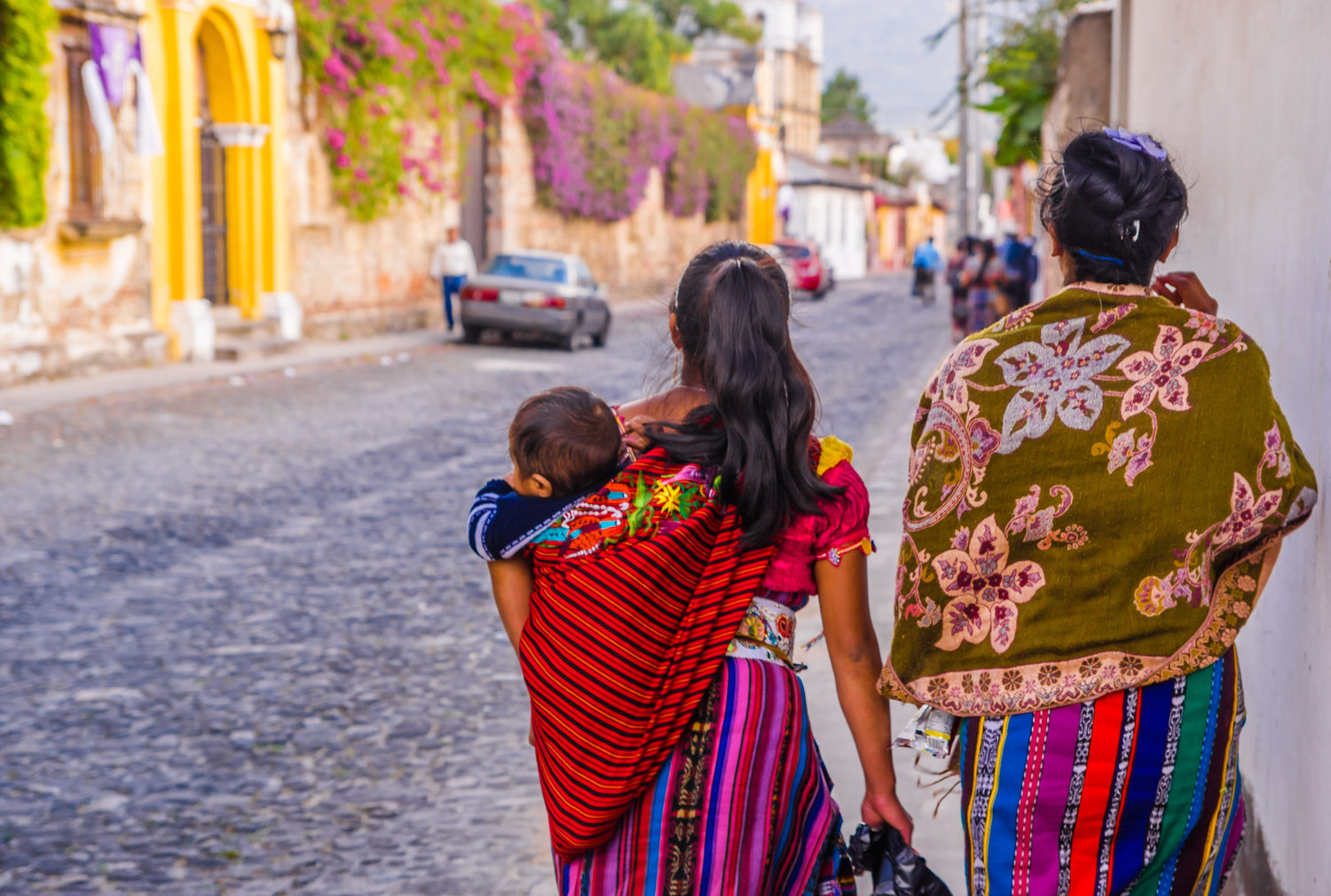
What if your next adventure could reshape your perspective? Imagine waking not to a phone alarm, but to the silhouette of three volcanoes across the world's most beautiful lake. You smell woodsmoke and freshly brewed coffee grown just down the path. This isn’t a standard resort vacation. This is Guatemala, experienced through the eyes of the Maya people who have called this land home for millennia.
Many of us search for authentic experiences, hoping our tourist dollars make a positive impact, but it’s often hard to know for sure. In Guatemala, however, a clearer path for conscious travel is emerging. Indigenous communities are opening their doors, inviting visitors to move beyond the postcard and share in their world, from sacred volcano treks to learning ancestral weaving traditions. This approach transforms a trip into a genuine human connection.
It’s a model known as community-based tourism. Instead of your money going to a distant corporation, it directly supports:
- The family hosting you
- The guide leading your hike
- The weaver sharing her craft
This is your guide to finding an authentic Maya cultural immersion, one that creates lasting memories and empowers the very communities that make Guatemala so unforgettable.
Expert Insight: Indigenous-Led Travel and Luxury Experiences
Indigenous-led travel does not mean sacrificing comfort or thoughtful design. Many of Guatemala’s most meaningful cultural experiences can be integrated into tailor-made itineraries that balance authenticity with elevated travel standards.
Examples include:
- Privately guided volcano treks paired with boutique lodge stays
- Artisan visits combined with chef-led regional cuisine experiences
- Community encounters designed around slow travel and meaningful pacing
When thoughtfully planned, Indigenous-led travel enhances luxury journeys by adding depth, context, and genuine connection.
Indigenous-Led Experiences to Consider
- Community weaving workshops in San Juan La Laguna
- Pacaya or Acatenango volcano treks with local Maya guides
- Coffee farm visits led by Indigenous cooperatives
- Lake Atitlán homestays hosted by Tz’utujil or Kaqchikel families
- Cooking classes in San Pedro La Laguna
- Mayan fire ceremony near Lake Atitlán
- Tour or visit the Sunday market at Chichicastenango

What Does "Indigenous-Led" Actually Mean for Your Trip?
You’ve probably heard the advice to “hire a local guide,” and that’s a great start. But in Guatemala, the term Indigenous-led offers something deeper. While a "local" guide might be anyone who lives in the area, an Indigenous-led experience is owned, designed, and guided by the Maya communities whose culture is inseparable from the land itself. It’s the difference between hearing about a place and hearing from a place, through the voice of its ancestral caretakers.
This distinction comes to life on the trail. Anyone can guide you up a volcano, but a K’iche’ or Kaqchikel Maya guide, whose people have revered these peaks for millennia, offers a different perspective. They won't just point out the summit. They’ll:
- Share stories of the mountain as a sacred spiritual protector
- Identify plants used in traditional medicine
- Explain a worldview where nature and humanity are deeply connected
The hike transforms from a physical challenge into a conversation with the landscape.
Beyond the richer experience, choosing Indigenous-led tours is a direct vote for community self-determination. It ensures your travel dollars stay within the community, supporting families and funding local projects on their own terms. This model empowers communities to preserve and celebrate their ancestral knowledge as a valuable, living part of Guatemala’s future. This difference is especially powerful when you set out to explore the country’s magnificent highlands.
Expert Insight: Understanding Maya Cosmovision
Many Indigenous-led experiences in Guatemala are rooted in what is often called Maya cosmovision, a worldview that sees humans, nature, and spirituality as deeply interconnected.
- Volcanoes viewed as living spiritual guardians
- Agriculture tied to lunar cycles and ancestral knowledge
- Textiles as storytelling rather than decoration
- Community decision-making shaped by collective responsibility
Understanding this perspective helps transform activities like hiking or weaving demonstrations from simple experiences into cultural exchanges grounded in respect and meaning.

Summit a Volcano the Maya Way: A Trek Beyond the Trail
Hiking Acatenango to watch the nearby Fuego volcano erupt under a starry sky is a signature Guatemalan adventure. But not all volcano treks are created equal. While large, fast-paced tours can get you to the top, choosing an ethical volcano hike with a guide from a local community offers a completely different journey. These smaller-group trips are built around a principle of respect, for the mountain, for the people who call it home, and for you as a guest, ensuring fair wages and a more personal experience.
This profound respect stems from the Maya cosmovision, where volcanoes are not just geological formations but powerful, sacred entities. To your guide, the mountain is a living being with a spirit, an ancestor that protects the community and influences the seasons. As you ascend, the trail becomes an outdoor classroom. You’ll learn to:
- Identify medicinal plants
- Hear stories of the mountain's personality
- Understand its spiritual importance
A Pacaya volcano tour with a local guide, for example, becomes more than a walk on lava fields. It’s a lesson in creation and renewal.
Choosing an Indigenous-led trek ultimately transforms the experience. You are no longer just conquering a summit. You are being introduced to a living landscape by someone whose culture is intrinsically tied to it. The breathtaking view from the top feels different, earned not just through physical effort, but through a deeper, more meaningful connection. This same spirit of seeing the sacred in the landscape extends from the highlands' volcanic peaks to the shores of Lake Atitlán, where communities offer another path to genuine connection.
Highly respected options include:
OX Expeditions (Antigua)
- Locally owned outfitter
- Ethical hiring practices
- Small-group treks
- Cultural storytelling integrated into guiding
Old Town Outfitters
- Strong ethical labor practices
- Deep partnerships with local guides
- Emphasis on safety and educational interpretation
Wicho & Charlie’s (Pacaya community)
- Grassroots guiding collective
- Community-based approach
- Maya cultural perspectives integrated into treks

Weaving Stories, Not Just Textiles: How to Engage with Maya Traditions Respectfully
That vibrant clothing you see around Lake Atitlán is far more than decoration. It’s a living library of stories and identity. In many communities, a woman’s clothing can communicate:
- Her village
- Marital status
- Personal history
- Symbolic cultural meanings
The centerpiece of this tradition is the huipil (pronounced wee-peel), the intricately embroidered blouse worn by Maya women. Each one is a unique canvas. A row of diamonds might represent the volcanoes that frame the sky, while a zig-zag pattern could symbolize a snake, a sacred animal. During a respectful visit to a local weaving cooperative, the artists are often happy to share the meaning behind their designs, transforming a beautiful textile into a piece of cultural storytelling you can hold.
Many women-led weaving cooperatives, particularly in towns like San Juan La Laguna, offer more than just a shop. A visit often begins with demonstrations of:
- Spinning raw cotton
- Natural plant-based dyeing
- Backstrap loom weaving techniques
Some may even invite you to sit and try it for yourself. Participating in a tour at a Tz'utujil weaving cooperative is about listening and learning, an experience that values connection over a quick transaction.
This direct connection is what makes purchasing a handmade scarf or wall hanging here so powerful. Instead of your money passing through multiple hands, it goes straight to the artist, validating her skill and providing the economic means to keep this ancestral art form alive for the next generation.
Established women-led cooperatives include:
- Casa Flor Ixcaco (San Juan La Laguna)
- Cooperativa Aj’ Quen (San Juan La Laguna)
- Asociación Batz’ (San Juan La Laguna)
- Maya Traditions Foundation
- Cooperativa Lema’ Weavers

Coffee Cultivation as Cultural Connection
Coffee cultivation offers another powerful window into Indigenous-led experiences.
Community-led coffee experiences include:
La Voz Que Clama en el Desierto Coffee Cooperative
- Fair-trade Indigenous cooperative
- Sustainable agriculture focus
- Community-led economic initiatives
De La Gente Coffee Tours
- Connects travelers with smallholder Maya farmers
- Harvesting demonstrations
- Roasting lessons
- Fair-trade discussions
The Ripple Effect: Why Your Choice Matters for Guatemala's Future
That direct connection with a weaver or a local guide creates more than just a memorable moment. It plants a seed for economic self-determination. When you choose a community-run guesthouse or a Maya-led hike, your travel budget directly funds families, supports local projects, and empowers residents to build their future on their own terms.
Key impacts:
- Income remaining within the community
- Cultural preservation
- Sustainable tourism distribution
- Reduced overtourism pressure
Ultimately, when a community sees that their language, ancestral knowledge, and traditions are valued as a genuine livelihood, it reinforces immense cultural pride.

How to Find and Book Genuine Indigenous-Led Experiences
Knowing you want to support communities is the first step, but navigating the world of tour operators can feel overwhelming.
Be aware of community-washing, where companies market authenticity without meaningful local benefit.
What to Ask:
- Is this tour or guesthouse owned by Indigenous individuals or the community itself?
- Are the guides and staff members from the local village we will be visiting?
- How does the income from this experience directly benefit the guide, their family, and the wider community?
Expert Insight: How to Recognize Genuine Community-Based Tourism
Not all experiences marketed as “authentic” or “local” truly support Indigenous communities. Conscious travelers often look for specific indicators that an experience is genuinely community-led.
- Transparent explanation of where income goes
- Small group sizes or limited daily visitors
- Guides who speak from personal or ancestral connection to the land
- Experiences shaped around learning rather than performance
- Direct relationships with cooperatives or families
When these elements are present, the experience is more likely to benefit the community directly rather than functioning as surface-level cultural tourism.

Your Guide to Being a Welcome Guest: 3 Rules for Respectful Travel
- Always ask permission before taking someone’s picture
- Ask hosts what gifts are appropriate instead of guessing
- Approach the experience with curiosity and humility
Leave with More Than a Souvenir: The True Reward of Conscious Travel
Before, you might have seen a photo of a volcano over Lake Atitlán and thought only of its beauty. Now, you see the living culture in its shadow. You’ve moved from seeing a destination to understanding a partnership, where travel becomes a two-way exchange instead of a simple transaction.
You may come for the volcanoes, but you will stay for the people. You will leave with a deeper understanding of your place in the world. Choose connection. Choose community. Choose a journey that changes you.
Because truly community-led experiences are often small-scale and not always easy to find online, many travelers choose to work with specialized travel designers who maintain long-term relationships with trusted Indigenous partners. These curated connections help ensure visits are respectful, fairly compensated, and aligned with community priorities rather than mass-market tourism models.
