
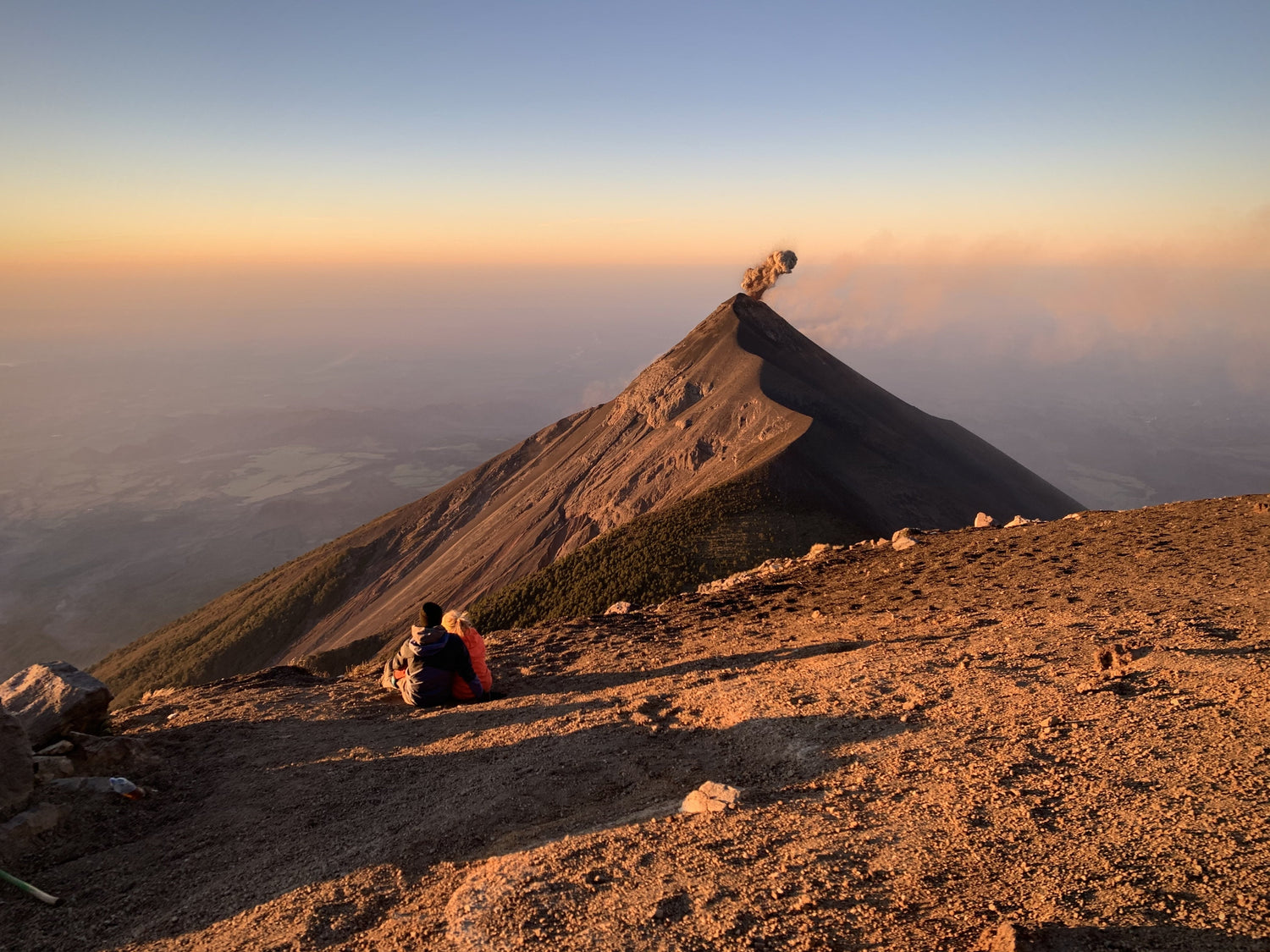
Your Guide to Temperatures, Rain, and the Perfect Time to Visit
Hey there, fellow Guatemala dreamer. If you are planning a trip that blends volcano views, Maya history, colorful markets, and a few wild moments in the rainforest, you are probably wondering what the weather is really like. At Osaviva, we design custom journeys across Guatemala, and we know timing is not just about sunshine. It is also about syncing your trip with once-a-year culture, peak wildlife seasons, and the right regional microclimates, from Antigua’s cool highlands to Petén’s steamy jungle.
Guatemala has two main seasons: a drier season with bright days and cooler evenings, and a greener season where the landscapes turn lush and the afternoons often bring showers. The good news is that many signature experiences still run rain or shine, from market mornings to hot springs, chocolate workshops, Lake Atitlán boat days, and guided ruins visits. It is a year-round destination if you plan it well.
This guide breaks it all down month by month with real climate averages, wildlife highlights like sea turtles on the Pacific coast and quetzal season in the cloud forest, plus cultural moments like Antigua’s Holy Week processions and the giant kite festival for Day of the Dead. Ready to find your perfect Guatemala month?
 Guatemala at a Glance: Dry Season vs Rainy Season
Drier Season (roughly November to April): Clearer skies, cooler nights in the highlands, and easier conditions for hiking volcanoes and moving between regions. This is the most popular window for first-timers.
Greener Season (roughly May to October): Lush scenery, fewer crowds, and great value. Many days still start sunny, with showers more likely later in the day, especially in the highlands. Petén (Tikal area) is warmer and more humid year-round.
Microclimates matter: Antigua and Lake Atitlán sit in the highlands with spring-like temperatures, while Petén (Flores and Tikal) is hot and tropical, especially in late spring.
Guatemala Weather by Month – Quick Reference Table
| Month | Antigua Avg High (°F / °C) | Antigua Avg Low (°F / °C) | Antigua Rainfall (inches) | Best For | Wildlife & Cultural Highlights | Vibe Check |
|---|---|---|---|---|---|---|
| January | 72 / 22 | 53 / 12 | 0.1 | Highland comfort, ruins, markets | Dry-season wildlife visibility; crisp mornings | Clear, calm, easy |
| February | 75 / 24 | 54 / 12 | 0.3 | Volcano hikes, Atitlán, photography | One of the driest months for the highlands | Bright days, cool nights |
| March | 76 / 24 | 56 / 13 | 1.1 | Active trips, Atitlán + Antigua combo | Quetzal season begins in cloud forest (best odds March to June) | Warmer, still dry-ish |
| April | 78 / 26 | 58 / 14 | 3.9 | Culture lovers, shoulder-season value | Semana Santa in Antigua (major processions and sawdust carpets) | Festive, high demand week |
| May | 75 / 24 | 60 / 16 | 6.9 | Lush scenery, fewer crowds | Early green season begins; Petén starts feeling hotter | Green, warm, quieter |
| June | 73 / 23 | 60 / 16 | 5.7 | Value trips, rainforest energy | Pacific sea turtle nesting season ramps up (Monterrico area) | Sunny mornings, rainy afternoons |
| July | 73 / 23 | 60 / 16 | 6.2 | Family travel, lake time | Rabin Ajau (Cobán) often held late July; turtle season continues | Lush, lively |
| August | 73 / 23 | 60 / 16 | 7.2 | Waterfalls, hot springs, softer prices | Peak-ish turtle activity on Pacific beaches; highland rains | Green and dramatic skies |
| September | 73 / 23 | 60 / 16 | 4.9 | Quiet travel, flexible itineraries | Independence Day (Sept 15) celebrations; turtles continue | Rainy season peak feel |
| October | 73 / 23 | 58 / 14 | 1.5 | Shoulder-season reset | Transition month; late turtle season continues on Pacific coast | Clearing trend begins |
| November | 72 / 22 | 56 / 13 | 0.3 | Best cultural travel month | Day of the Dead giant kite festival (Nov 1) near Antigua; dry season returns | Clearer, festive, photogenic |
| December | 72 / 22 | 54 / 12 | 0.3 | Holiday trips, first-timers | Burning of the Devil (Dec 7); Santo Tomás festival in Chichicastenango (mid-Dec) | Peak season energy |
 Microclimates in Guatemala: Why Location Matters
- Antigua + Lake Atitlán (highlands): Spring-like temps most of the year, cooler nights, rainier afternoons in green season.
- Petén (Flores, Tikal): Tropical heat and humidity, with wetter months peaking later in the year.
- Pacific Coast (Monterrico and beyond): Hotter beach climate, and the best place to time sea turtle nesting and releases.
- Cloud Forest (Alta Verapaz, Biotopo del Quetzal): Cool, misty, and famous for quetzals during nesting season (best odds March to June).
When we build tailor-made Guatemala trips, we match regions to the season so you get the best mix of comfort, culture, and wildlife.
Month-by-Month Breakdown
January: Crisp Highlands, Clear Skies
Antigua stays comfortably warm by day and cool at night, with very low rainfall. It is an ideal month to pair Antigua with Lake Atitlán, especially if you want easy logistics and strong visibility for volcano views.
Wildlife note: Dry-season conditions often make wildlife easier to spot on guided nature walks, with clearer trails and fewer muddy sections in many regions.
February: Dry-Season Sweet Spot
This is one of the driest, most comfortable months in the highlands, great for markets, textiles, photography, and a volcano hike if that is on your list.
March: Early Wildlife Wins
March warms up, and it is a strong month for active itineraries that mix culture and nature. In the cloud forest, quetzal nesting season becomes a real possibility, and guided early-morning outings give you the best odds.
April: Antigua’s Biggest Cultural Moment
April often includes Semana Santa (Holy Week), when Antigua becomes the heart of Guatemala’s most iconic celebrations, with elaborate processions and intricate sawdust carpets. If you want to experience it, plan early, as demand spikes.

May: The Green Season Arrives
May brings a noticeable shift: landscapes turn greener, the air feels softer, and afternoons are more likely to see rain. Many experiences still run beautifully, especially if you plan early starts and keep afternoons flexible.
June: Rainforest Mood, Turtle Season Begins
Green season is in motion, and the Pacific coast becomes a key wildlife zone. Sea turtle nesting is a highlight around Monterrico, with common nesting season windows often running roughly June through December, depending on species and beach conditions.
July: Culture and Cloud Forest Energy
July is lush and vibrant. Cobán’s Rabin Ajau cultural celebrations are often associated with late July, adding a powerful indigenous cultural highlight if you are traveling through Alta Verapaz.
Wildlife note: Turtle activity continues on the Pacific coast, and cloud forest excursions stay rewarding with the right timing and guides.
August: Peak Green Season Drama
Expect more consistent rain in the highlands, often later in the day. This is a great month for travelers who love misty volcano mornings, fewer crowds, and a slower pace built around flexible touring blocks.
Wildlife note: Turtle nesting remains a key Pacific coast highlight through late summer and early fall.
September: Quiet Travel, Big Savings Potential
September is often one of the quietest months for tourism. Independence Day on September 15 brings parades and celebration energy across the country, especially in towns and cities.
October: The Shift Toward Clearer Days
October can feel like a turning point. You still get green-season beauty, but with improving conditions as the year moves toward the drier months. Pacific coast turtles can still be active depending on the beach and species.
November: Day of the Dead and the Giant Kites
November is a dream month for cultural travelers. On November 1, the Day of the Dead kite festival in towns like Sumpango draws visitors for giant kites, community rituals, and a rare window into living tradition.
December: Peak Season Traditions
December marks the return of the drier season and the start of peak travel. Early December features the Burning of the Devil (Dec 7), and mid-December brings the Santo Tomás festival in Chichicastenango, a major cultural moment that blends ceremony, dance, and market energy.
 Best Time to Visit Guatemala by Travel Style
- Culture First: April for Semana Santa in Antigua, November for Day of the Dead kite festival, and mid-December for Chichicastenango’s Santo Tomás celebrations.
- Wildlife Focus: March to June for quetzals in the cloud forest, and roughly June to December for sea turtle nesting on the Pacific coast (Monterrico area).
- First-Timers: January to March for easy weather, clear skies, and smooth logistics in the highlands.
- Value Seekers: May, June, September, and October for fewer crowds and greener landscapes, with smart day planning around afternoon showers.
What to Pack (No Matter When)
- Light layers (highlands can feel cool in the morning and evening)
- A rain jacket or poncho (especially May to October)
- Comfortable walking shoes with grip
- Sun protection (hat, sunglasses, reef-safe sunscreen if you add beach time)
- Bug spray for jungle regions (Petén, Río Dulce, Pacific coast)
- A reusable water bottle
 Ready to Make It Real?
Weather and seasons are just the starting point. The best Guatemala trips are built around what you actually want to feel and do, whether that is timing quetzal season, catching a once-a-year festival, or balancing highlands and jungle in one smooth route.
Drop us a note at Osaviva and tell us your must-haves. Culture, wildlife, ruins, lakes, food, or all of it. We will match your route to the season and build a trip that fits.
Last updated February 2026. Climate averages are based on long-term patterns, and wildlife timing can vary year to year.
