
Your Guide to Seasons, Microclimates, and the Best Time to Visit Chile & Easter Island
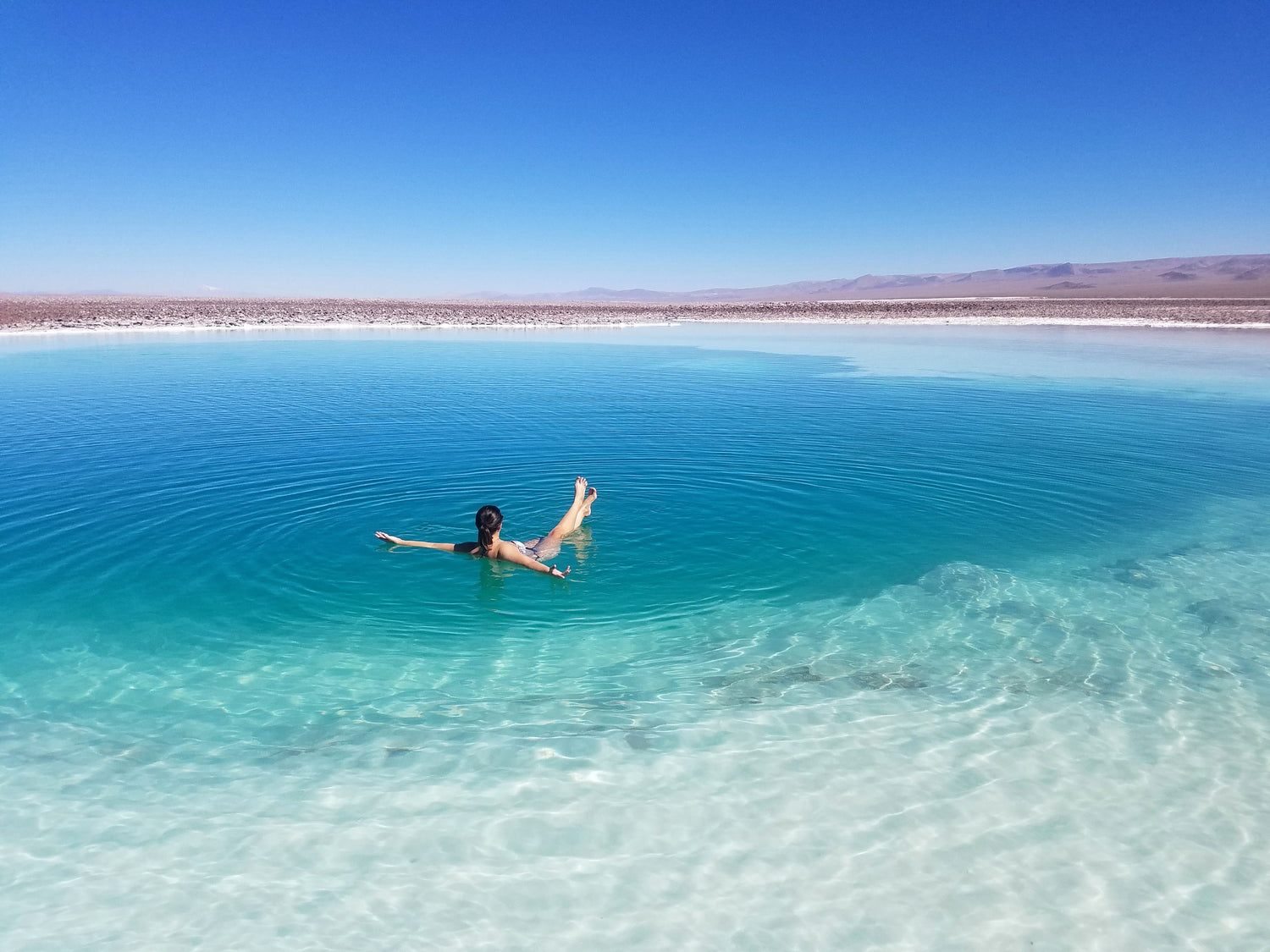
Chile is a country of extremes in the best possible way. One itinerary can take you from the driest desert on Earth to glacier valleys, vineyard lunches, and windswept coastlines where whales breach offshore. Then there is Easter Island (Rapa Nui), far out in the Pacific, with a completely different rhythm and a subtropical, ocean-tempered climate. At Osaviva, we plan tailor-made Chile journeys that line up the right region with the right season, whether that means clear nights for Atacama stargazing, peak Patagonia hiking conditions, wine harvest in the valleys, or festival timing on Rapa Nui.
This guide breaks Chile and Easter Island down month by month with weather patterns, wildlife moments, and cultural highlights so you can choose the month that fits your travel style.
 Chile & Easter Island at a Glance: What Seasons Really Mean
Chile runs on Southern Hemisphere seasons. Summer is December to February, fall is March to May, winter is June to August, and spring is September to November.
Chile is all about microclimates. Atacama is dry year-round. Central Chile (Santiago, Valparaíso, wine valleys) has Mediterranean-style seasons. The Lake District and Chiloé are greener and wetter. Patagonia is famously changeable, with the best hiking generally concentrated in the warmer months.
Easter Island (Rapa Nui) is mild year-round. It feels warmest from December to March, but the ocean moderates temperatures, so there is rarely a true “cold” season.
Chile & Easter Island Weather by Month: Quick Reference Table
| Month | Where the weather tends to shine | Best For | Wildlife & Cultural Highlights | Vibe Check |
|---|---|---|---|---|
| January | Patagonia, Lake District, Rapa Nui | Peak summer travel | Long days in Torres del Paine; beach energy on Easter Island; festival season begins in many towns | High demand, big landscapes |
| February | Patagonia, Central Chile coast, Rapa Nui | Hiking + island time | Tapati Rapa Nui cultural festival season; classic summer road-trip conditions | Festive, warm, lively |
| March | Wine valleys, Central Chile, Northern desert | Wine + shoulder season Patagonia | Vendimia (wine harvest) celebrations begin; fewer crowds start in the south | Golden light, relaxed pace |
| April | Wine regions, Santiago, Atacama | Food and wine travel | Harvest continues; crisp evenings arrive; Patagonia begins to quiet | Cozy nights, polished travel |
| May | Atacama, Santiago, coastal cities | Value travel + culture | Shoulder season pricing; museums, markets, and city stays feel easy | Calmer, lower crowds |
| June | Chilean ski areas, Atacama | Ski + desert skies | Ski season typically begins; Atacama stays dry for stargazing | Winter energy, crisp air |
| July | Ski regions, Atacama | Winter sports | Peak ski season; desert nights remain a highlight for astronomy-focused trips | Snow days and hot springs |
| August | Ski regions, Atacama | Last strong ski month | Ski season continues; early spring hints appear in central regions late month | End-of-winter calm |
| September | Central Chile, Santiago, Valparaíso | Culture + spring warmth | Fiestas Patrias (Independence celebrations) bring cueca, food stalls, and big national energy | Celebratory, upbeat |
| October | Atacama, Central Chile, Lake District | Spring travel and scenery | Wildflowers can appear in the north in strong bloom years; shoulder season Patagonia starts to reopen | Bright days, fewer crowds |
| November | Patagonia, Atacama, wine valleys | Early Patagonia season | Hiking season ramps up in the far south; long daylight returns | Fresh, open, adventurous |
| December | Patagonia, Lake District, Rapa Nui | Summer kick-off | Prime conditions return for iconic routes; holiday travel begins to build | Sunlit, energetic, peak-adjacent |
Expert insight: Chile is long and narrow, so the “best weather” depends on your route. Patagonia conditions can change quickly any time of year. Easter Island is ocean-moderated and feels mild in every season, with the warmest stretch typically in the Southern Hemisphere summer.

Microclimates in Chile & Easter Island: Why Region Matters More Than Month
- Atacama Desert (San Pedro de Atacama): Very dry year-round with dramatic day-to-night temperature swings. One of the best places for clear skies and stargazing.
- Central Chile (Santiago, Valparaíso, Casablanca, Colchagua, Maipo): Mediterranean-style seasons. Summer is dry and warm. Winter is cooler with more rain.
- Lake District & Chiloé (Puerto Varas, Chiloé Island): Greener, wetter, moodier. Shoulder seasons can be beautiful if you like misty landscapes and cozy lodges.
- Patagonia (Torres del Paine, Aysén): Best hiking is typically late spring through early fall. Wind is part of the experience.
- Easter Island (Rapa Nui): Mild, breezy, and ocean-tempered. Summer is warmest, but winter is still comfortable for exploring.
 Month-by-Month Breakdown
January: Patagonia’s Long Days and Big Payoff
January is the classic month for Patagonia. Trails are open, daylight stretches late, and multi-day hiking routes feel most accessible. It is also an excellent time to pair the Lake District with Patagonia for a “lakes-to-glaciers” journey.
Wildlife note: In southern regions, wildlife viewing often improves with time on the ground. With longer days, we can build in more dawn and dusk windows for condors, foxes, and guanacos, plus the chance of a puma sighting with the right guides.
February: Peak Summer with a Cultural Bonus on Rapa Nui
February keeps Patagonia in prime shape while adding a special reason to include Easter Island. This is when Tapati Rapa Nui is often held, a powerful cultural celebration featuring dance, music, athletic competitions, and deep local tradition.
Osaviva tip: If you want Tapati without feeling overrun, we plan the island portion with quieter lodging, private guiding, and timed visits to key sites outside the busiest hours.
March: Wine Harvest Season Begins
March is one of the best months for central Chile. Vendimia season brings harvest energy to wine valleys like Colchagua, Casablanca, and Maipo. Days are still warm, nights cool off, and vineyard lunches feel effortless.
Best pairing: A few days of wine and coastal cities, then a Patagonia extension if your travelers want wilderness without peak-season crowds.

April: Autumn Color and a Slower Rhythm
April leans into fall, especially in central and southern regions. The wine harvest continues in many valleys, and the atmosphere turns more relaxed and local. Patagonia starts to quiet, but early April can still work for travelers who prioritize comfort and lower crowds over peak conditions.
May: Desert Clarity and City Culture
May is an underrated month for Atacama. The desert remains dry, nights can feel crisp, and it is a strong time for stargazing. Central cities like Santiago and Valparaíso also shine with gallery days, markets, and food-focused travel.
June: Ski Season Arrives
June marks the start of winter travel. Ski areas in the Andes near Santiago typically begin operating, and it is a great time to pair snow days with hot springs and excellent dining in the capital.
Atacama still works: Desert trips remain a year-round option, especially for travelers who love dramatic landscapes and clear skies.
July: Peak Winter Sports and Cozy Chile
July is the heart of ski season. It is also a great month for travelers who like cozy, design-forward hotels, long dinners, and the feeling of settling into a destination rather than racing through it.
August: Late Winter, Good Value Potential
August often delivers strong snow conditions with the bonus of slightly softer crowds after peak holiday periods. For travelers who want winter without the busiest weeks, this can be an excellent choice.
September: Spring and Fiestas Patrias
September is a cultural highlight month. Fiestas Patrias celebrations bring music, dance, traditional foods, and events across the country. Weather begins warming in central regions, making it ideal for city stays, vineyard visits, and coastal escapes.
Seasonal note: If your travelers want a “culture-first” trip, this is one of the best times to plan it.

October: Spring Light and Reopening Patagonia
October is a bridge month. Central Chile feels bright and fresh, and Patagonia begins to ramp up again as the season reopens. It is also a strong month for Atacama travelers who want clear skies without summer heat.
Wildlife note: Spring can be excellent for birdlife in multiple regions, especially wetlands and coastal areas, depending on your exact route.
November: Patagonia Returns, Shoulder Season Sweet Spot
November is one of our favorite months for Patagonia planning. Longer days are back, the hiking season is in motion, and it often feels less crowded than peak summer. This is a strong month for active travelers who want iconic landscapes with more breathing room.
Coastal wildlife: Chile’s long coastline supports sea lion colonies and birdlife year-round, and certain routes can be designed around marine viewing depending on where clients travel.
December: Summer Starts to Build
December brings the first true summer energy, especially in the south. It is a beautiful time for Patagonia and the Lake District, and it is also a natural month to add Easter Island for warm days, ocean breezes, and iconic archaeological sites.
Plan early: Holiday periods book up quickly for the most in-demand lodges and guides.
 Best Time to Visit Chile & Easter Island by Travel Style
- Patagonia hiking and big wilderness routes: November to March, with peak summer in December to February.
- Wine travel and harvest experiences: March and April for vendimia season in central valleys.
- Ski trips: June to August, with July typically the busiest.
- Atacama stargazing: Year-round, with especially crisp desert nights outside the hottest months.
- Easter Island culture: February is a standout for Tapati Rapa Nui, while December to March is warmest for beach time.
What to Pack (No Matter When)
- Layering pieces for temperature swings, especially in the desert and Patagonia
- A windproof jacket for the south
- Comfortable walking shoes with grip
- Sun protection (hat, sunglasses, sunscreen)
- Swimwear for hot springs, lakes, or Easter Island beach time
- A compact daypack for hikes and excursions
 Ready to Make It Real?
Chile rewards smart seasonal planning. Tell us what your travelers want most, Patagonia trekking, wine harvest, stargazing, ski days, Easter Island culture, and we will shape the route around the best regional timing.
Drop us a note at Osaviva and share your ideal month, must-see regions, and travel style. We will match the microclimates to your priorities and design a trip that flows.
Last updated February 2026. Seasonal patterns are based on long-term trends, and wildlife timing can vary year to year.
