
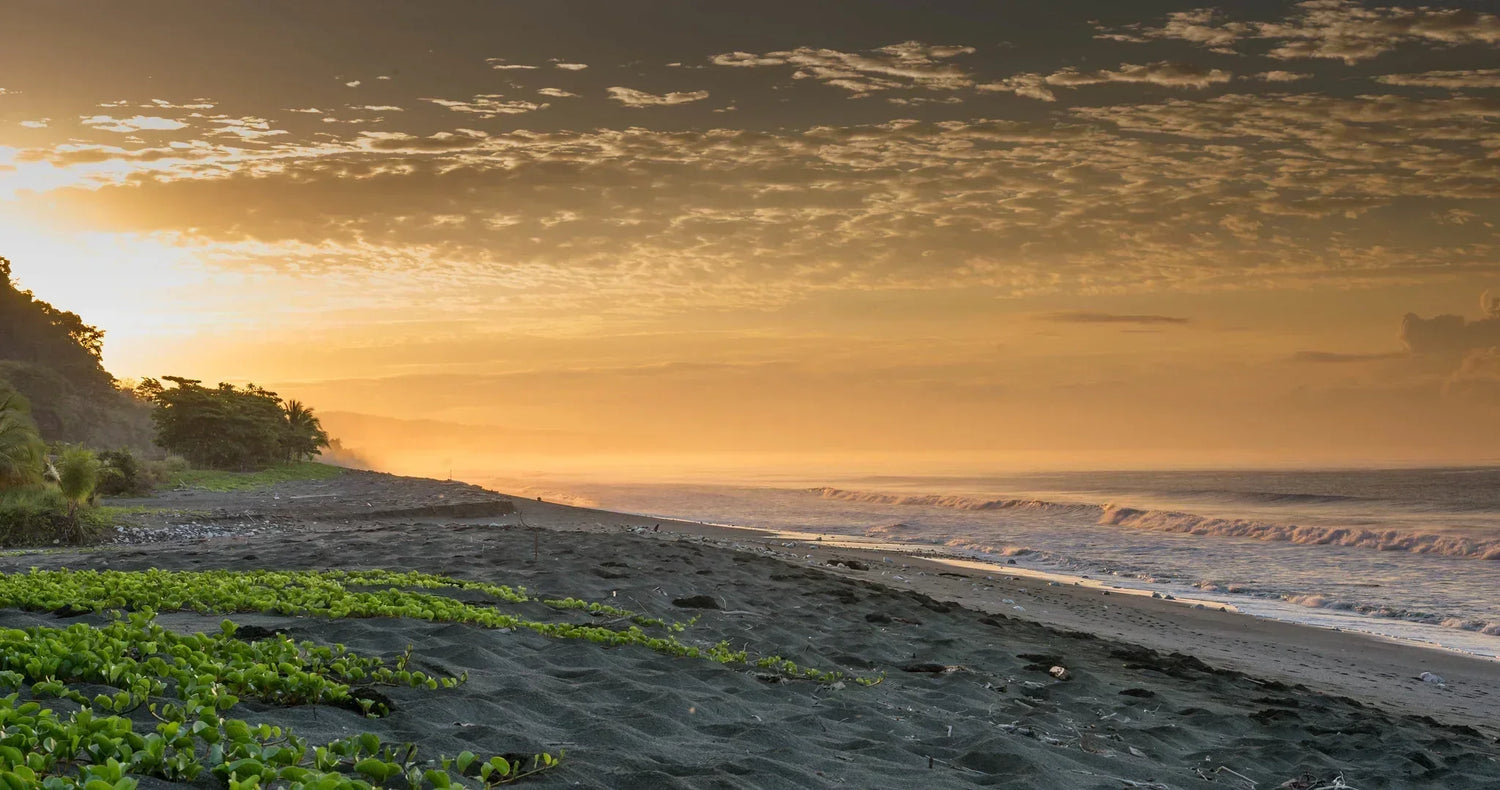
Clear Skies Roll In & Nature Finds Its Groove
Imagine waking to howler monkeys serenading the dawn, sunlight spilling over emerald jungles, and a breeze that whispers “Pura Vida.” It’s January in Costa Rica, a month where the weather practically rolls out the red carpet for travelers. From sun-drenched beaches to misty highlands, here’s your ultimate guide to Costa Rica’s January climate, packed with everything you need to know.
The Dry Season Sweet Spot
January sits snugly in Costa Rica’s dry season (December to April), offering clear skies, warm days, and just enough breeze to keep things fresh. It’s peak travel time for a reason. Nature is in full bloom, trails are dry, and the sun is your constant companion. But the weather is not one size fits all here. Costa Rica’s microclimates mean every region has its own personality.

Microclimates: A Weather Tapestry
- Pacific Coast (Guanacaste, Tamarindo, Nosara, Santa Teresa): Think endless sunshine, with highs of 85-90°F (29-32°C) and nights at 70-75°F (21-24°C). Rain is a rarity, perfect for beach days and surf sessions.
- Central Pacific (Jaco, Manuel Antonio, Dominical, Uvita): A bit stickier, with highs around 88°F (31°C) and a touch more humidity. You might catch a brief shower, but it passes quickly.
- Caribbean Coast (Puerto Viejo, Tortuguero): Wetter and wilder, with highs of 80-85°F (27-29°C) and humidity that lingers. Rain comes in quick bursts, leaving lush jungle behind.
- Central Valley (San José, Cartago): Mild and comfortable, with daytime temperatures of 75-80°F (24-27°C) and evenings cooling to 60-65°F (15-18°C). Crisp mornings and little rain.
- Highlands (Monteverde, Arenal): Cooler and breezier, with daytime temperatures around 70-75°F (21-24°C). Cloud forests may mist up, but conditions stay mostly dry.
Pros & Cons
Pros:
- Dry, sunny weather dominates, ideal for outdoor adventures.
- Wildlife is easier to spot as animals gather near water sources.
- Festivals and clear skies make it a strong month for photography.
Cons:
- Peak season crowds at popular areas like Arenal and Manuel Antonio.
- Prices rise, so booking early helps manage costs.
- Rain on the Caribbean coast can affect plans without flexibility.
What to Pack for January
- Lightweight, breathable clothing such as t-shirts, shorts, and sundresses.
- Swimsuit and flip-flops for beach days.
- Light rain jacket, especially for the Caribbean or highlands.
- Sturdy hiking shoes for trails and volcanic terrain.
- Sunscreen (SPF 50), hat, and sunglasses for strong sun.
- Reusable water bottle to stay hydrated.
- Bug spray, mosquitoes do not take a holiday.
What to Do in Costa Rica in January
- Surf the Pacific: Head to Tamarindo or Nosara for consistent waves under clear skies.
- Hike a Volcano: Arenal’s cone stays visible, especially when paired with a soak in nearby hot springs.
- Zipline Monteverde: Fly through dry cloud forests with wide-open views.
- Beach Hop: Explore Playa Conchal’s pale sand or Manuel Antonio’s wildlife-lined shores.
- Turtle Spotting: The Caribbean coast may still offer late-season leatherback sightings.

Wildlife Hotspots in January
The dry season concentrates animals near rivers and lagoons, making January an excellent month for wildlife encounters.
- Sloths in Manuel Antonio: Look up, they are often resting in the canopy.
- Scarlet Macaws in Corcovado: Bright red wings stand out against dense forest.
- Howler Monkeys in Guanacaste: Their calls echo through the early mornings.
- Poison Dart Frogs in Tortuguero: Small, vivid, and active after rainfall.
- Whale Watching near Uvita: Humpbacks migrate offshore, binoculars recommended.
Cultural Highlights in January
- Fiestas de Palmares (mid-January): A two-week celebration in the Central Valley featuring rodeos, concerts, and traditional food like tamales and chicharrón.
- New Year’s Carryover: December celebrations linger, with a relaxed and welcoming atmosphere.
- Coffee Harvest Peak: Visit a finca in Naranjo or Tarrazú to see beans at peak ripeness and sample fresh roasts.
Travel Tips for January
- Book Ahead: Hotels and tours fill quickly, reserve early.
- Start Early: Morning activities beat both heat and crowds.
- Hydrate Constantly: Sun exposure adds up fast.
- Carry Cash: Small vendors and rural areas may not accept cards.
- Stay Flexible on the Caribbean: Rain showers pass, indoor options help fill gaps.

Why January Works
January in Costa Rica delivers dry, warm conditions that make exploring easy. Whether you are focused on waves, wildlife, or slow afternoons under palms, the climate supports it all. It is a busy month, but the payoff is a country alive with color and activity, from volcanic ridgelines to turquoise water. Pack light, plan ahead, and let January set the pace.
