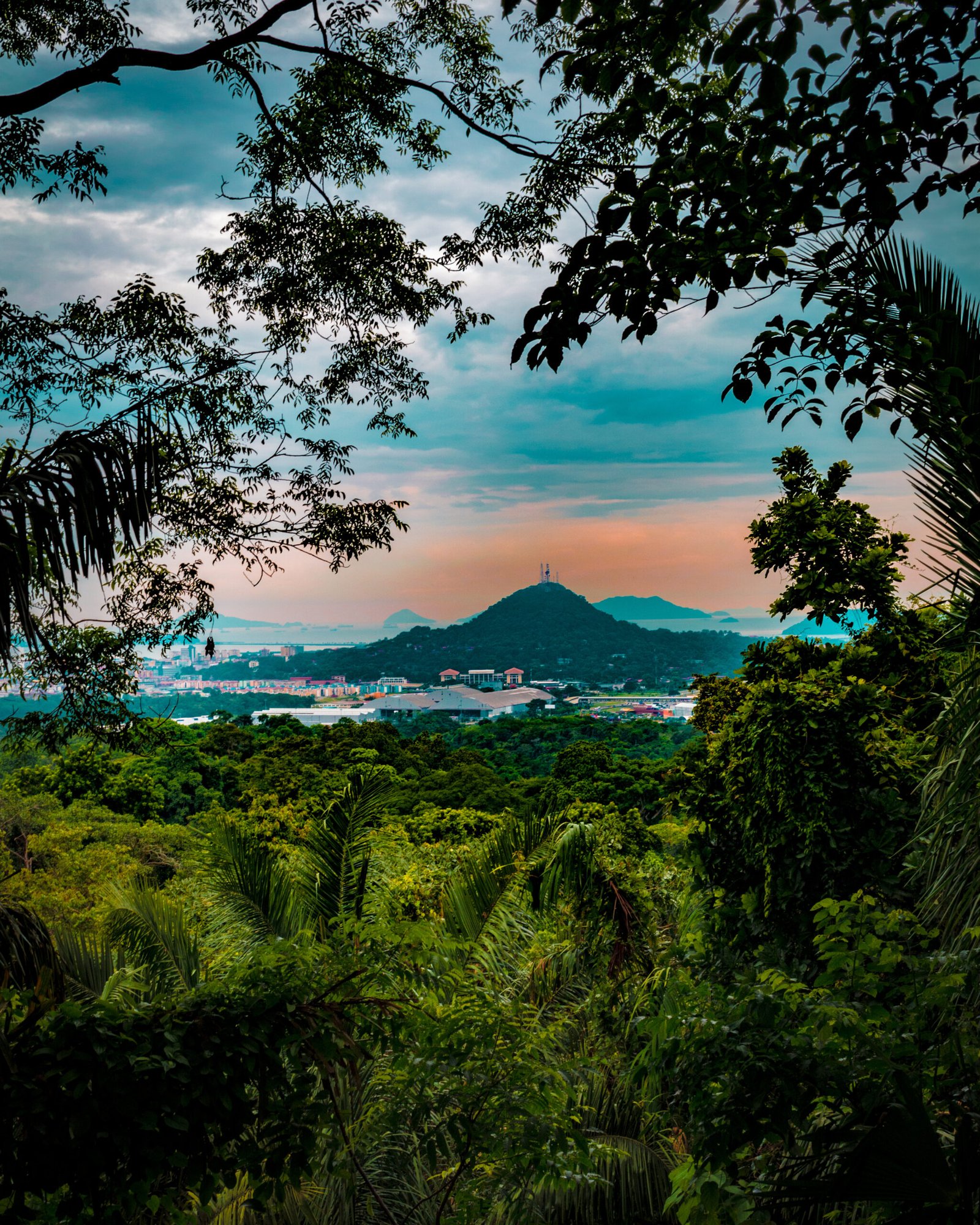
Mexico is best discovered with an appetite in tow. It’s a country where food is never just food, but history, ritual, and connection. Each bite carries the weight of centuries, from the earthy masa of ancient tortillas to the delicate plating of a Michelin-starred dish. To eat here is to taste your way through the country’s culture itself.
Planning a taste-testing journey through Mexico means more than sampling flavors; it means tracing a map of identity across regions. In Mexico City, tacos al pastor tell of Lebanese immigrants and urban adaptation. In Oaxaca, moles speak of patience and layers of heritage. On the Yucatán Peninsula, the tang of citrus and achiote whispers of Mayan roots. Each stop offers a story you taste as much as hear.
This guide charts that journey, part culinary itinerary and part cultural immersion. Whether you begin in a bustling market or end in a candlelit jungle dining room, Mexico invites you to savor it all.
Ancient Roots, Modern Tables
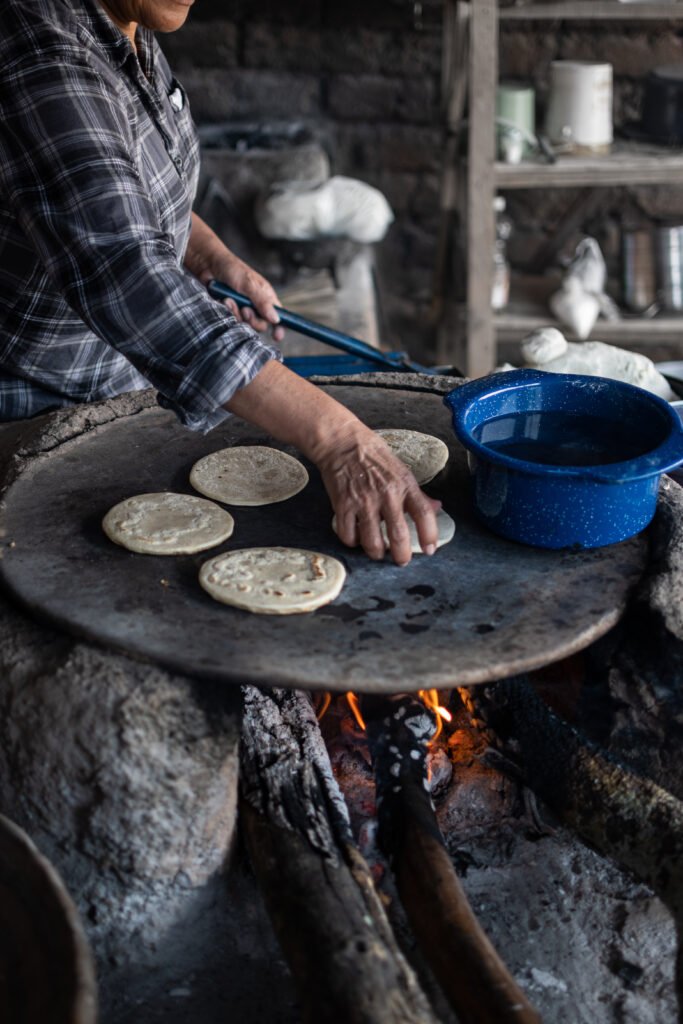
Mexico’s cuisine begins with its Indigenous foundations. Civilizations like the Maya, Aztec, Zapotec, and Mixtec cultivated corn, beans, and squash, the “three sisters” that nourished communities for millennia. Maize was sacred, ground into masa for tortillas, tamales, and atole. Chiles provided fire, while cacao was consumed as a bitter, sacred drink offered to gods and rulers.
The arrival of the Spanish layered in wheat, rice, livestock, dairy, and spices from Europe, Africa, and Asia. Over centuries, these influences intertwined with local traditions, creating the mosaic of Mexican cuisine.
In 2010, UNESCO recognized traditional Mexican cuisine as an Intangible Cultural Heritage of Humanity, noting both its complexity and its role in community and identity. Few culinary traditions share this honor, among them French gastronomy, the Mediterranean diet spanning Spain, Greece, Italy, and Morocco, and Japan’s washoku. Mexico’s inclusion highlights the country’s unique blend of ritual, agricultural heritage, and culinary artistry.
Understanding these roots makes the journey richer. Every street taco and every elegant course at a fine dining restaurant is part of the same continuum, tied to the land and its people.
First Stop: Mexico City – The Capital of Flavor
Start your journey in Mexico City, a metropolis where past and present converge on the plate.
Street Food Rituals: Late-night tacos al pastor, spinning on vertical spits, trace their lineage to Lebanese shawarma. Tlacoyos, thick masa patties stuffed with beans, carry pre-Hispanic heritage. Elote carts line the streets, offering grilled corn slathered with mayo, lime, and chile.
Markets Alive with History: La Merced and Mercado de Coyoacán are sensory playgrounds. Vendors sell tamales wrapped in corn husks, steaming bowls of pozole, and aguas frescas in bright flavors like hibiscus and tamarind.
Markets are Mexico’s most authentic dining rooms.
Modern Dining Icons: At Pujol, Enrique Olvera ages mole madre for over 1,000 days, honoring tradition while elevating it. Quintonil crafts avant-garde dishes from hyper-local ingredients.
Mexico City is the perfect introduction, a place where you can taste the entire nation in one sprawling hub. It is where your palate is trained to recognize the threads that will appear again and again across the country.
 Oaxaca – The Pilgrimage of Mole and Mezcal
Next, journey south into the mountains of Oaxaca, often called the culinary heart of Mexico.
The Seven Moles: Mole negro, with its rich blend of chocolate and dried chiles, takes days to perfect. Mole coloradito and amarillo highlight different spice and chile profiles. Tasting moles here is like reading chapters of history, each one layered, labor-intensive, and celebratory.
Every mole is a story layered in spice.
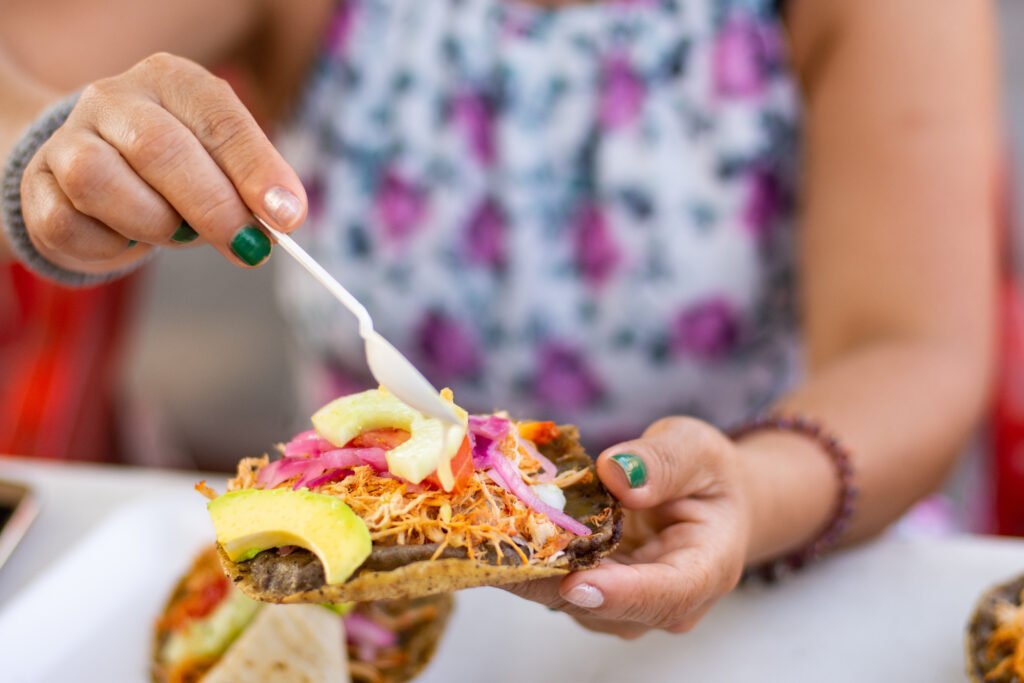
Tlayudas and Street Snacks: Known as “Oaxacan pizzas,” tlayudas are large, crisp tortillas topped with beans, cheese, lettuce, and meat. They are a late-night staple, perfect after wandering cobblestone streets.
Mezcal Traditions: Oaxaca is mezcal country. Small-scale palenques welcome travelers to learn the art of roasting agave in earthen pits, distilling slowly, and savoring smoky spirits crafted with ritual precision.
Oaxaca’s food is not just sustenance but a cultural anchor. Cooking classes, market tours, and community meals immerse you in the region’s deep-rooted identity.
 Yucatán Peninsula – Mayan Flavors Preserved
Head east, where tropical climate and Mayan heritage shape one of Mexico’s most distinctive cuisines.
Cochinita Pibil: Pork marinated in achiote and sour orange, slow-cooked underground, emerges tender and fragrant. The method is ancient, the flavor timeless.
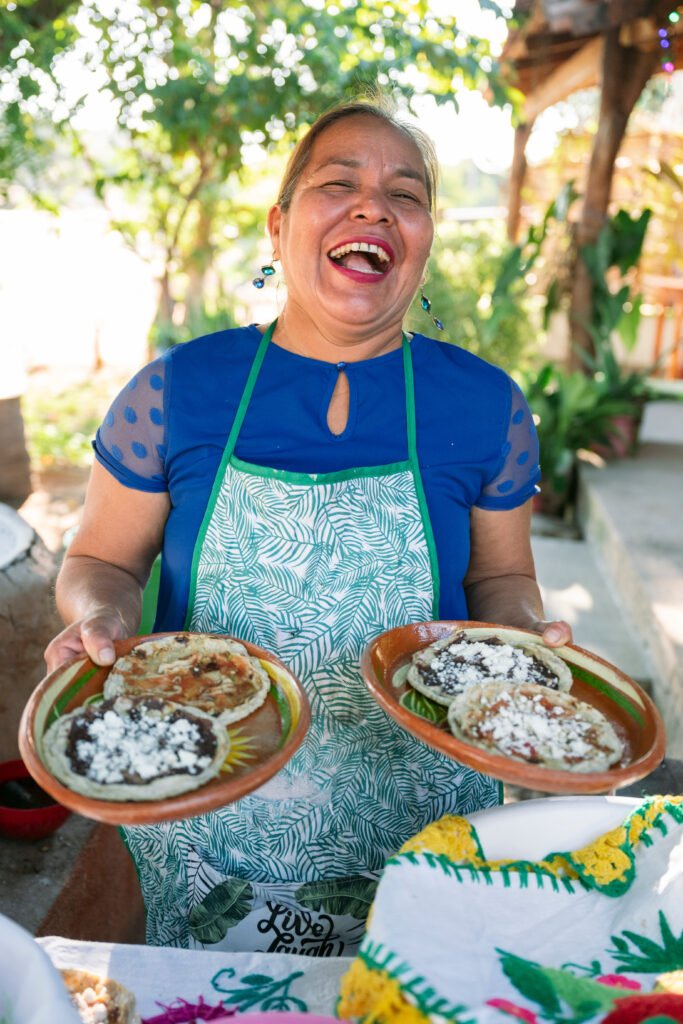
Everyday Staples: Panuchos, tortillas stuffed with beans and topped with turkey or pork, and salbutes, fried tortillas with crisp edges, showcase ingenuity in simple forms.
Salsas with Heat: Habaneros, often blended with citrus, define the spice profile of the region. Balance comes from tropical fruits like papaya and mango.
Food here is inseparable from history. Recipes are guarded across generations, and meals still echo the sacred role of maize and the communal spirit of Mayan culture.
Northern Mexico – Where Ranching Meets the Grill
Journey north and the landscape shifts, and so does the food. This is ranching country, where beef and fire dominate.
Carne Asada: A ritual as much as a meal, carne asada is often prepared for gatherings, the grill at the center of social life.
Flour Tortillas: Unlike the corn-dominant south, northern cuisine favors flour tortillas, reflecting Spanish influence and local adaptation.
Cabrito: Roast goat, a specialty of Nuevo León, showcases rustic traditions shaped by ranching life.
Pair these hearty plates with local craft beer or emerging wines from Coahuila and Chihuahua. The north is rugged, bold, and deeply communal, with flavors to match the land.
Pacific Coast – Seafood and Sun
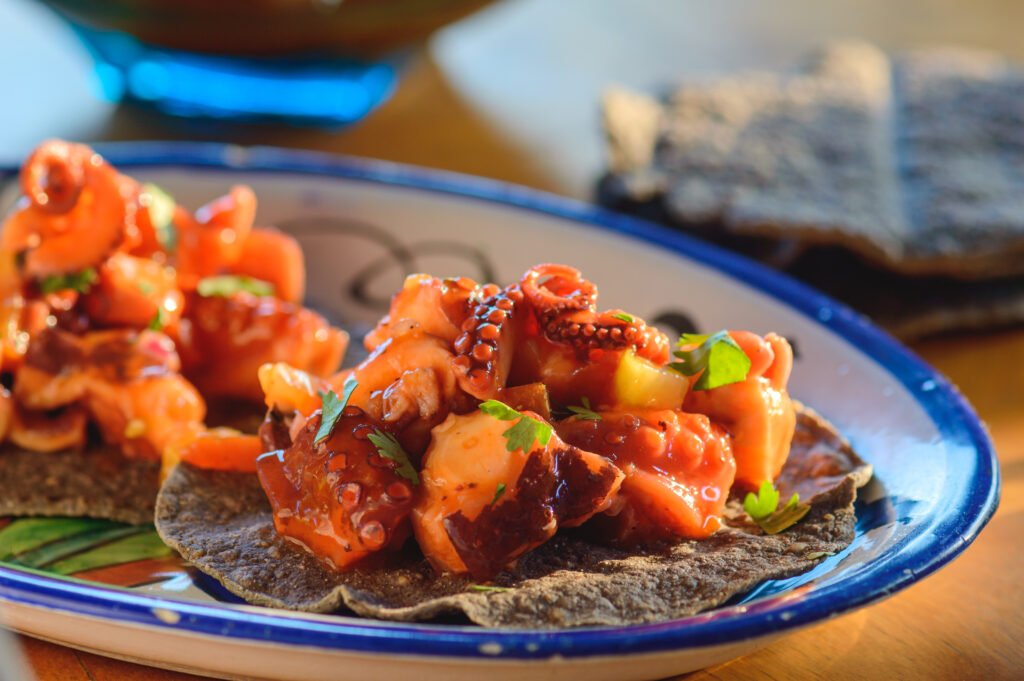
The Pacific shoreline offers a cuisine dictated by the sea.
Baja’s Fish Tacos: Born in Ensenada, these are crisp, fresh, and beloved worldwide.
Aguachile and Ceviche: Shrimp or fish marinated in lime and chile, brightened by cucumber and cilantro.
Grilled Ocean Fare: Octopus charred over flame, shrimp al mojo de ajo in garlic butter, and seasonal catches bring the ocean directly to the table.
In Baja California, pair seafood with wines from Valle de Guadalupe. Open-air dining among vineyards captures the blending of Mexican tradition and modern culinary creativity.
Festivals and Seasonal Tastes
To plan a taste-testing journey well, align with festivals. They reveal foods tied to ritual and season.
Día de los Muertos: Altars decorated with pan de muerto and mugs of hot chocolate honor ancestors.
Christmas and New Year: Tamales, pozole, and ponche, a warm fruit punch, fill tables during long celebrations.
Independence Day: Chiles en nogada, poblano peppers stuffed with picadillo and topped with walnut sauce and pomegranate seeds, symbolize the Mexican flag itself.
These moments show how food connects family, community, and history.
 Drinks That Tell a Story
Mexico’s beverages deserve equal attention on your journey.
Aguas Frescas: Hibiscus, tamarind, and lime waters cool afternoons in the markets.
Atoles and Champurrado: Warm, masa-based drinks that date back centuries, comforting on cool mornings.
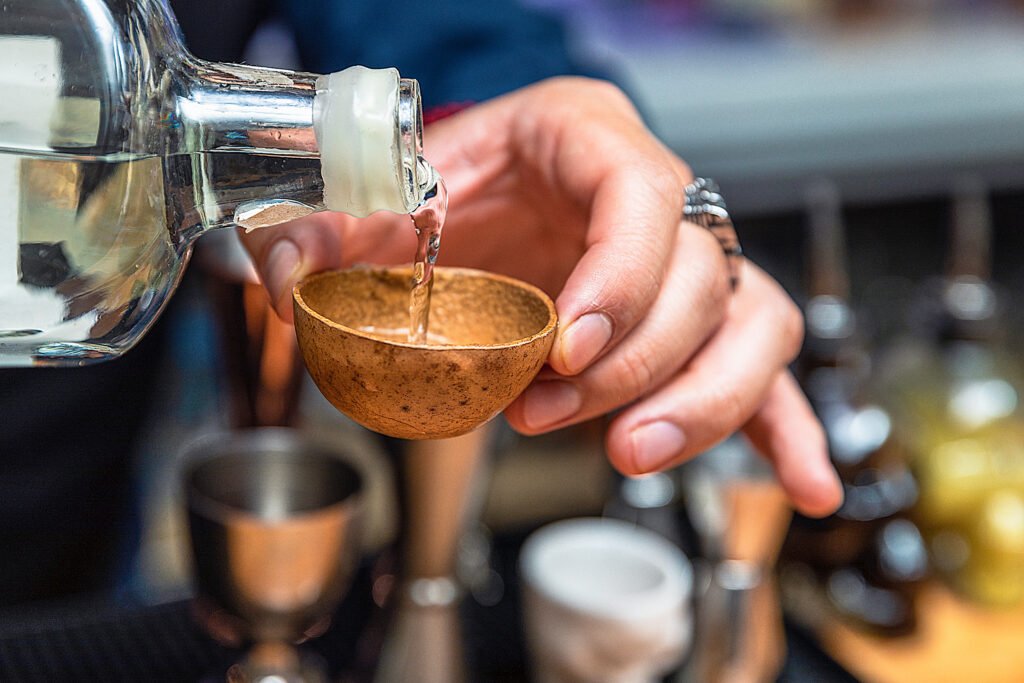
Tequila and Mezcal: Taste your way through Jalisco’s agave fields or Oaxaca’s smoky palenques. Each sip is tied to terroir and tradition.
Wines of Valle de Guadalupe: Mexico’s wine region is now an international contender, pairing beautifully with seafood and farm-to-table cuisine.
Coffee and Chocolate: In Chiapas and Tabasco, plantations reveal the deep ties between land, ritual, and daily life.
From Market Stalls to Michelin Stars
No tasting journey is complete without exploring Mexico’s modern fine dining.
Mexico City’s Stars: Pujol, Quintonil, and Sud 777 push boundaries while honoring tradition. A tortilla here is not ordinary, it is a course and a statement.
Regional Innovation: In Valle de Guadalupe, chefs design menus that reflect both vineyard and sea. In the Riviera Maya, jungle dining experiences merge luxury with ancestral cooking.
Fine dining in Mexico does not erase the roots; it elevates them. The continuity between a grandmother’s kitchen and a tasting menu is unmistakable.
Designing Your Culinary Itinerary
To turn this journey into reality:
- Begin in Mexico City: Orient your palate and immerse in both street and fine dining.
- Choose regional loops: Mexico City and Oaxaca, a Yucatán trail, Pacific coast seafood, or Baja’s wine and dine.
- Mix scales: Balance street tacos with formal tasting menus.
- Engage locally: Cooking classes, mezcal tastings, and market tours deepen understanding.
- Travel responsibly: Support family-run eateries, buy direct from artisans, and respect traditions.
- This is not just eating; it is experiencing Mexico with curiosity and care.
The Last Word
A culinary journey through Mexico is more than a trip. It is an education in culture, history, and hospitality. Each region invites you to taste not only its food but its soul, whether in the depth of a Oaxacan mole, the brightness of a Yucatecan salsa, or the artistry of a Mexico City tasting menu.
From taco stands to Michelin stars, Mexico’s cuisine forms a map. Planning a taste-testing journey means following that map with intention, savoring both the flavors and the stories they carry. By the journey’s end, you will not only have eaten well, you will have understood Mexico more deeply, one bite at a time.
To eat in Mexico is to taste history itself.