
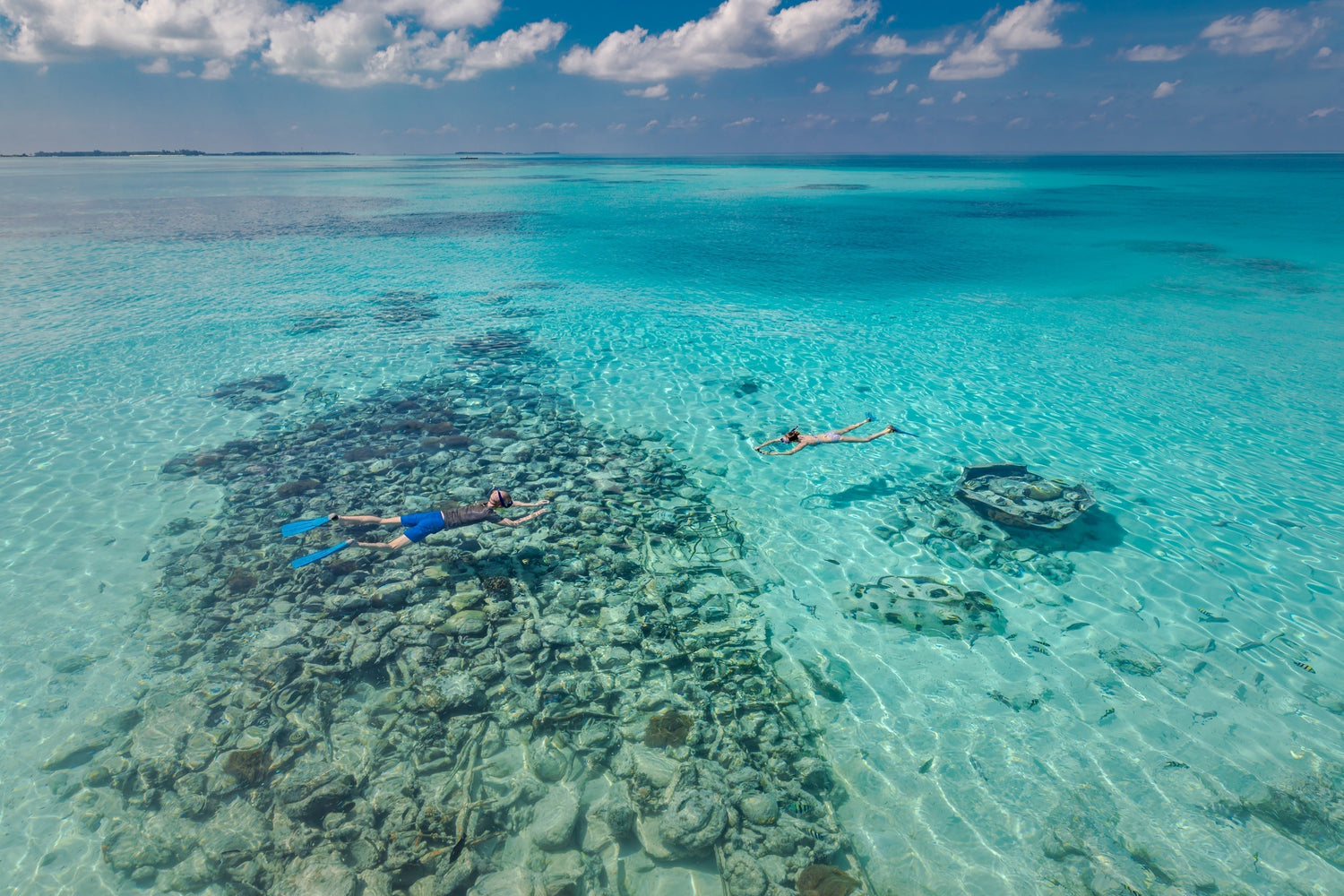
The Caribbean is not a single snorkeling destination. Each island has its own reef shape, exposure to wind, visibility patterns, and signature marine life. Some places reward you for shore entries you can repeat every morning. Others shine on short boat rides that put you over reef walls, channels, and protected marine parks.
This guide is designed for travelers who want to plan around real conditions and realistic expectations. You will find the best times to go, what different habitats produce, and destination-by-destination profiles with specific snorkeling spots you can build a trip around.
 Understanding Conditions: Wind, Water Clarity & Seasonality
The Two Things That Matter Most
Wind and swell shape comfort and visibility more than a sunny forecast. Trade winds often rise later in the morning, and exposed coasts can feel choppy even when the sky is blue.
- Morning snorkeling tends to deliver calmer surfaces and clearer visibility.
- Leeward coasts are often the easiest upgrade for beginners and families.
- Runoff can cloud nearshore visibility after heavy rain, especially near river outlets and developed coastlines.
Planning tip: Choose your primary snorkeling beaches based on wind direction and protection. Then treat everything else as a bonus.
Best Time to Visit: Season-by-Season
Dry Season (December to May)
This is the most consistent window for easy snorkeling logistics across much of the region.
- Calmer mornings are more common
- Visibility is often stronger near shore
- Boat days are more predictable
Green Season (June to November)
This season can be excellent when you choose the right destinations and the right coasts.
- Warmer water temperatures
- Fewer crowds
- Often strong value on accommodations
Good to know: Hurricane risk increases in late summer and early fall in many northern and eastern areas. Southern Caribbean destinations often carry lower disruption risk.
 What You Can See: Marine Life & Habitat Realities
High-Likelihood Reef Sightings
- Parrotfish, angelfish, wrasses, damselfish, blue tangs
- Sergeant majors and schools of small reef fish in calmer bays
- Reef squid in sheltered coves
Sea Turtles
Turtles tend to be most reliable where seagrass beds and reef edges overlap. Seagrass often brings green turtles. Reef edges and sponge zones often bring hawksbills.
Rays
Rays are often seen over sand flats, near channel edges, and around reef drop-offs. Some destinations have specific ray sites that are part of guided snorkel routes.
Whale Sharks
Whale sharks are seasonal and location-specific. Belize is best known for spring encounters (March to June), while Isla Mujeres is known for summer season tours (June to September).

Quick Planning Table: When to Go, What You’ll See, and Who It’s Best For
|
Destination |
Best Time for Snorkeling | What You’re Most Likely to See | Best For |
|---|---|---|---|
| Bonaire | Year-round | Coral gardens, dense reef fish, repeatable shore sessions | Independent snorkelers, families with calm entries |
| Curaçao | Year-round | Reef fish schools, calm coves, occasional tarpon | Relaxed snorkeling with easy access |
| Aruba | Year-round | Nearshore reef pockets, clear water on calmer days | Beginners and easy beach days |
| Turks & Caicos | Dec–Apr strongest | Clear-water reef fish, turtles and rays in select areas | Luxury beach stays with excellent shore reefs |
| Bahamas (Exuma/Nassau) | Late winter–early summer | Patch reefs, rays, sandbar marine life | Snorkel + sandbar day trips |
| Barbados (West Coast) | Dec–May strongest | Sea turtles, seagrass wildlife, shipwreck sites | Turtle-focused snorkeling |
| USVI (St. John / St. Croix) | Dec–May strongest | Reef fish, turtles, rays, snorkel trails | Families, first-time snorkelers |
| Puerto Rico | Year-round with seasonal swell awareness | Marine parks, reef fish, occasional turtles | City + beach combos, easy day trips |
| St. Martin / Sint Maarten | Dec–May strongest | Reef fish near rocky points, occasional turtles | Confident swimmers and calm-day planning |
| Grand Cayman | Mar–Jun clarity peak | Reef structure, tarpon, swim-throughs, strong visibility | Structure lovers, confident beginners |
| Jamaica | Dec–May strongest | Reef fish, coral pockets, calm bays in select areas | Resort-based snorkeling days |
| Antigua | Dec–May strongest | Reef-protected bays, fish life, some wreck snorkeling | Boat day trips and calm bays |
| Grenada | Dec–May strongest | Reef fish, seagrass zones, underwater sculpture park | Unique snorkeling experiences |
| St. Lucia | Dec–May strongest | Reef slopes, volcanic scenery, fish diversity | Scenic snorkeling from select beaches |
| Belize | Dec–May strongest; spring highlights | Barrier reef scale, rays, nurse sharks, coral channels | Reef-heavy itineraries with boat access |
| Mexico (Cozumel / Isla Mujeres) | Dec–May clarity; Jun–Sep whale shark season | Marine park reefs, rays, seasonal whale sharks | Seasonal wildlife and reef corridors |
Destination Profiles: Island Context + Favorite Snorkeling Spots
Bonaire
Best time: Year-round
Conditions: Protected leeward coast, minimal runoff, frequent calm water
What you’ll see: Dense reef fish life, coral gardens, turtles in the right areas
Bonaire is built for repeat snorkeling. Marine protections and easy shore access make it one of the simplest places in the Caribbean to snorkel often, with minimal scheduling.
Our favorite snorkeling spots in Bonaire:
- 1000 Steps Shallow reef structure close to shore with a classic “coral garden” feel. Water shoes help for the entry.

- Karpata A north-coast favorite known for strong reef scenery and fish life. Best on calm mornings.
- Bari Reef Easy access near town with lively reef fish activity.
- Lac Bay (Sorobon area) Shallow bay ecosystem that can reward patient snorkelers who swim to the better coral zones.
Good to know: Plan short, repeat sessions. Two or three 25-minute snorkels often beat one long swim.

Curaçao
Best time: Year-round
Conditions: Protected coves, gentle entries, generally calm mornings
What you’ll see: Reef fish schools, coral pockets, turtles in select bays
Curaçao is a cove snorkel destination. Many beaches sit in naturally protected inlets, which keeps the experience approachable.
Our favorite snorkeling spots in Curaçao:
- Tugboat Beach A shallow wreck-style site with lively fish activity near a compact reef zone.

- Playa Lagun A small cove with fish life along the rocky edges and manageable swim distances.
- Cas Abao A broad beach with easy entry and reef pockets that reward slow exploration.
- Porto Mari A popular beach snorkel with clear water on calm days and consistent reef fish sightings.
Expert tip: Aim for the rocky edges of coves. Sandy centers are often quieter for marine life.

Aruba
Best time: Year-round
Conditions: Leeward-side pockets, calm-day dependent reefs
What you’ll see: Reef fish, coral pockets, occasional turtles
Aruba is an easy snorkeling add-on destination. The best sessions happen on calmer mornings, especially where reef structure sits close to shore.
Our favorite snorkeling spots in Aruba:
- Mangel Halto A standout site with zones that fit different comfort levels. Calm conditions matter.
- Boca Catalina / Catalina Cove Clear water and approachable snorkeling for beginners on good days.

- Arashi Beach A relaxed beach day with snorkeling potential near the rocky edges.
- Malmok Often visited by boat tours, with reef structure that can be rewarding when visibility is strong.
Turks & Caicos
Best time: December to April strongest
Conditions: Excellent visibility, shore-access reef sites, strong boat options
What you’ll see: Reef fish, turtles and rays in the right zones
Turks & Caicos pairs clear water with accessible reefs. Providenciales has two well-known shore reefs that are easy to plan around.
Our favorite snorkeling spots in Turks & Caicos:
- Bight Reef (Coral Gardens) A classic shore snorkel with frequent fish activity and regular turtle or ray sightings.
- Smith’s Reef More varied structure and often more to see than the easiest shore reefs.

- Northwest Point Marine National Park A broader marine park area with multiple habitats that is best visited with a guide.
Good to know: Respect buoy-marked conservation zones and watch for boat activity near popular reefs.
The Bahamas (Exuma & Nassau Areas)
Best time: Late winter through early summer
Conditions: Shallow sand flats, patch reefs, boat day trips
What you’ll see: Reef fish, rays, sandbar marine life
The Bahamas shines for variety. One day can be a patch reef snorkel. Another can be a sandbar-and-reef combo that feels playful and easy.
Our favorite snorkeling spots in The Bahamas:
- Exuma Cays Land and Sea Park A protected marine area known for clear water and snorkeling opportunities on charters.

- Stocking Island (Exumas) Great for a boat-based snorkeling day that can also include relaxed beach time.
- Rose Island reefs (near Nassau) Often visited on day trips with lively reef fish activity.
Expert tip: The best Bahamas snorkeling often comes from pairing a strong boat operator with calm-day planning.
Barbados (West Coast)
Best time: December through May strongest
Conditions: Calm west coast mornings, seagrass habitat nearby
What you’ll see: Sea turtles, reef fish, shipwreck snorkeling opportunities
Barbados is a turtle-forward snorkeling destination. The west coast combines approachable water with strong wildlife odds in the right areas.
Our favorite snorkeling spots in Barbados:
- Carlisle Bay Marine-park energy with wreck history and frequent turtle sightings.
- Folkestone Marine Park A popular west-coast option with calm water on good mornings.
- Gibbs Beach A quieter-feeling west coast beach with clear water potential.
 U.S. Virgin Islands (St. John & St. Croix)
Best time: December through May
Conditions: Protected bays, national park beaches, snorkel trail options
What you’ll see: Reef fish, turtles, rays, seagrass life
The USVI is strong for travelers who like structure. National park beaches, well-known entry points, and iconic snorkel trails make planning easier.
Our favorite snorkeling spots in the USVI:
- Trunk Bay (St. John) Famous for its underwater snorkel trail and easy access for beginners.
- Waterlemon Cay (St. John) A rewarding swim with strong reef scenery and frequent fish life.
- Buck Island Reef National Monument (St. Croix) Known for snorkel trail experiences accessed by tour operators.

- Cinnamon Bay (St. John) Multiple entry points and varied underwater terrain.
Good to know: Choose calmer bays on windier days. This is one of the most effective ways to protect a family snorkeling day.
Puerto Rico
Best time: Year-round with seasonal swell awareness
Conditions: Marine parks, rocky points, some calm bays, variable surf exposure
What you’ll see: Reef fish, marine-park diversity, occasional turtles
Puerto Rico offers excellent snorkeling when you match the day’s conditions to the right coastline. It works especially well for travelers who want a mix of culture, food, and quick snorkeling access.
Our favorite snorkeling spots in Puerto Rico:
- Escambrón Marine Park (San Juan) An easy-access option with marine life visibility that works well for quick sessions.
- Seven Seas Beach (Fajardo) Calm-day snorkeling along the rocky edges with good beginner potential.

- Steps Beach (Rincón) A west-coast favorite with strong reef life when conditions are gentle. Entry can be rocky.
Expert tip: In Puerto Rico, surf conditions can change quickly. Choose protected entries and skip days that feel pushy or surge-heavy.
St. Martin / Sint Maarten
Best time: December through May strongest
Conditions: Mix of protected bays and more exposed beaches, calm-day dependent snorkeling
What you’ll see: Reef fish, occasional turtles, rocky-point habitat
St. Martin / Sint Maarten can be rewarding when you choose the right bay on the right day. Many best sessions happen near rocky edges rather than open sand.
Our favorite snorkeling spots in St. Martin / Sint Maarten:
- Little Bay A sheltered-feeling bay that can be a good choice when conditions elsewhere feel active.
- Mullet Bay A popular beach that can snorkel well near the rocks on calmer days.
- Baie Rouge A beautiful beach with snorkeling potential near key rock formations, suited to confident swimmers.

Grand Cayman
Best time: March through June for peak clarity
Conditions: High visibility, reef structure, shore and boat options
What you’ll see: Reef fish, tarpon, swim-throughs, coral formations
Grand Cayman is a clarity-and-structure destination. It is a strong choice for travelers who like dramatic underwater terrain without requiring long swims.
Our favorite snorkeling spots in Grand Cayman:
- Eden Rock & Devil’s Grotto Known for coral structure and cave-like formations that create a cinematic snorkel.
- Cemetery Beach A classic shore option that can be excellent on calm days.
- Spotts Beach Often recommended for turtle odds when conditions are right.

Jamaica
Best time: December through May strongest
Conditions: Calm bays and reef pockets near select resort zones
What you’ll see: Reef fish, coral pockets, occasional rays and turtles
Jamaica offers enjoyable snorkeling in areas with protected water and nearby reef structure, especially along the north and west coasts.
Our favorite snorkeling spots in Jamaica:
- Doctor’s Cave Beach (Montego Bay) Calm, approachable water with snorkeling potential near nearby protected areas.

- Booby Cay (Negril) A small offshore option often visited by boat tours.
- Runaway Bay A north-coast area known for reef activity and marine life sightings.
Antigua
Best time: December through May strongest
Conditions: Reef-protected waters, boat-access reefs, calm bays on the right coasts
What you’ll see: Reef fish, coral structure, occasional turtles and rays
Antigua is ringed by reefs and offers a mix of boat snorkeling and calm-bay sessions, depending on the beach and the day’s wind.
Our favorite snorkeling spots in Antigua:
- Deep Bay Beach Calm west-coast water with snorkeling potential and a known wreck presence nearby.

- Cades Reef A well-known boat snorkel destination and a classic Antigua day trip.
- Stingray City A boat excursion experience centered around stingray encounters.
Good to know: Some Antigua reefs are best as guided boat trips, especially if you want the strongest coral-and-fish density on a given day.
Grenada
Best time: December through May strongest
Conditions: Clear bays, reef patches, seagrass zones, boat-access highlights
What you’ll see: Reef fish, coral pockets, one-of-a-kind sculpture reef habitat
Grenada stands out for snorkeling variety, including its famous underwater sculpture park, which is accessible by snorkel on calm days.
Our favorite snorkeling spots in Grenada:
- Molinere Bay Underwater Sculpture Park Snorkelable sculptures set among reef systems at accessible depths.

- Grand Anse A long, accessible beach that can deliver rewarding snorkeling at the right points.
- Levera (National Park area) A nature-rich area with multiple habitats, best with careful conditions awareness.
St. Lucia
Best time: December through May strongest
Conditions: Volcanic coastline, reef slopes, strong scenic snorkeling from select beaches
What you’ll see: Reef fish diversity, coral pockets, occasional turtles and octopus
St. Lucia is a scenic snorkel destination where the best sessions cluster around specific beaches and marine reserve zones.
Our favorite snorkeling spots in St. Lucia:
- Anse Chastanet A marine-reserve-linked beach with strong reef life and varied underwater terrain.
- Sugar Beach (Anse des Pitons) A dramatic setting with reef life and clear-water potential between the Pitons.

- Reduit Beach (Rodney Bay) A gentler-water option that can work well for beginners.
Belize
Best time: December through May strongest; spring seasonal highlights
Conditions: Barrier reef scale, many signature sites accessed by short boat rides
What you’ll see: Rays, nurse sharks, turtles, coral channels, reef walls
Belize delivers reef scale. Many of the most iconic snorkeling sites are in marine reserves and channels where wildlife density rises quickly.
Our favorite snorkeling spots in Belize:
- Hol Chan Marine Reserve Belize’s most popular snorkel zone with fish density and coral structure in the channel.
- Shark Ray Alley A shallow sandy area known for nurse sharks and rays, often paired with Hol Chan.

- South Water Caye Marine Reserve A protected area with strong reef snorkeling and fewer crowds in many itineraries.
- Glover’s Reef Atoll A standout for travelers who want outer-atoll energy and clear-water structure. During whale shark season, this is where you'll spot them.
Expert tip: Ask your operator about timing and group flow. Starting earlier often means calmer water and more relaxed wildlife encounters.
Mexico (Caribbean Coast: Cozumel & Isla Mujeres)
Best time: December through May for clarity; June through September for whale shark season
Conditions: Marine park reefs, some current-dependent snorkeling, boat access to signature sites
What you’ll see: Reef fish, rays, turtles, seasonal whale sharks (Isla Mujeres area)
Mexico’s Caribbean coast offers two distinct snorkeling styles: marine park reefs around Cozumel and seasonal open-water wildlife excursions from Isla Mujeres.
Our favorite snorkeling spots in Mexico:
- Palancar Reef (Cozumel) One of Cozumel’s signature reef zones, often visited by snorkel and dive boats.
- Columbia Reef (Cozumel) Frequently paired with Palancar on classic reef days.
- El Cielo (Cozumel) Shallow, clear-water stop accessed by boat, often part of multi-stop snorkeling days.
- Isla Mujeres whale shark corridor Seasonal tours typically run mid-May to mid-September, with many operators highlighting mid-summer as prime.
Good to know: Cozumel reefs can involve gentle drift conditions. Operators tailor stops to comfort level and sea state.
How to Choose the Right Destination
If You Want Easy Shore Snorkeling You Can Repeat
- Bonaire
- Curaçao
- Turks & Caicos (shore reefs on Provo)
If You Want Turtles as a Priority
- Barbados (west coast)
- USVI bays and seagrass zones
- Grand Cayman (right-day planning)

If You Want Reef Scale and Big Marine-Park Energy
- Belize
- Roatán (best added if you want a stronger reef-forward Central America section)
- Cozumel
If You Want a Unique Signature Experience
- Grenada (underwater sculpture park)
- USVI snorkel trails
- Bahamas protected areas by charter
Common Mistakes That Ruin a Snorkeling Day
- Snorkeling late afternoon when winds rise
- Choosing the most exposed beach because it looks calm from the sand
- Doing one long swim instead of multiple short sessions
- Skipping water shoes in rocky-entry destinations
- Touching coral or standing in shallow reef zones
Family & First-Time Snorkeler FAQ
Can beginners snorkel safely in the Caribbean?
Yes, when you choose protected bays, start in shallow water, and keep sessions short. Calm mornings make a bigger difference than most travelers expect.
Do you need a boat trip to see great marine life?
Not always. Bonaire and Curaçao are famous for shore access. Belize and Cozumel often deliver their best days via short boat rides to marine reserves and reef walls.
What is the best time of day to snorkel?
Morning is usually best for calm water and visibility.

Your 3-Step Planning Action Plan
- Choose your priority: shore access, turtles, reef scale, or seasonal wildlife.
- Match it to season: aim for consistent months, then pick the leeward coast for your base snorkeling beaches.
- Build repeat sessions: short morning snorkels on multiple days often create the best wildlife moments.
When conditions align, Caribbean snorkeling feels effortless. The best trips come from small, smart choices: the right island, the right coast, and the right time of day. Let Osaviva help you plan your Caribbean snorkeling adventure. Reach out for a quote today!
